European Commission workshop highlights root beneficial microbes
September 2024
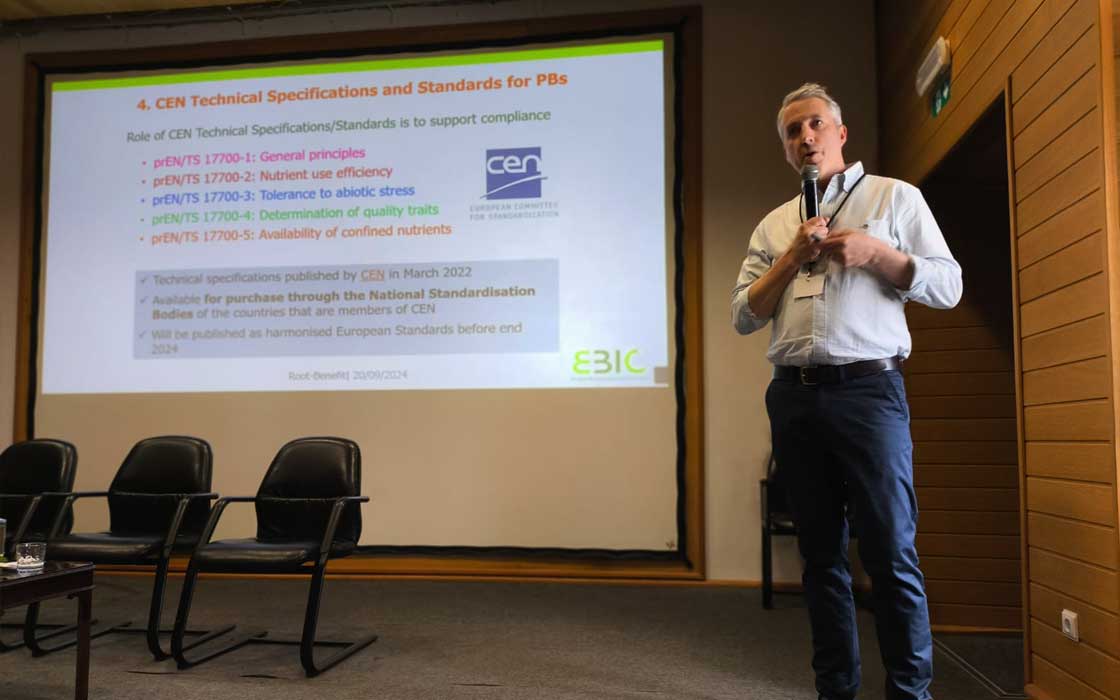
On Friday 20th September, David Barton presented on a European Commission workshop on root beneficial microbes and their role in agriculture.
David highlighted the pivotal role EBIC has played in advocating for a robust regulatory framework that supports innovation and growth in the biostimulant sector, influencing key policies such as the FPR. This regulation, which now allows for CE-marking of biostimulants, has been instrumental in enabling free movement of these products across the EU, fostering a more competitive and innovative market.
A core theme of his presentation was the importance of defining plant biostimulants by their function rather than their composition, a definition that EBIC played a crucial role in securing within the FPR. This regulatory milestone has brought much-needed clarity and confidence to the sector, establishing a structured and predictable framework that reduces uncertainty. While various factors contribute to the impressive 15% annual growth rate, the clear regulatory pathway that EBIC helped establish has been a significant enabler, encouraging companies to invest and innovate. David highlighted how EBIC’s advocacy has ensured that biostimulants are recognised for their unique benefits, such as improving nutrient uptake, enhancing stress tolerance, and boosting crop quality, thereby supporting the industry’s continued growth and success.
A significant part of the discussion at the workshop focused on the current challenges and future developments needed to the FPR, particularly the need for a more inclusive list of microbial strains under CMC 7. EBIC advocates for a dynamic, criteria-based framework that would allow for regular updates and expert reviews of the CMC 7 list. This approach, inspired by EFSA’s Qualified Presumption of Safety (QPS) model, would ensure the regulation remains responsive to scientific advancements and market needs, providing a faster, more proportionate route for introducing new, beneficial microorganisms.
David also proposed the adoption of a hybrid dual assessment model for microbial biostimulants, combining initial CMC-level screenings with detailed, risk-based evaluations conducted by Notified Bodies (NoBos) at the product level. This would streamline the approval process by fast-tracking low-risk strains while ensuring thorough assessments for those requiring closer scrutiny. Such a framework would enable the industry to keep pace with innovation and bring products to market more efficiently, without compromising safety standards.
One of the key takeaways was the strong support for moving beyond a static positive list of microorganisms. A criteria-based system would offer a more agile and responsive regulatory approach, capable of accommodating the rapid developments in the biostimulant sector. This would not only benefit manufacturers but also support sustainable agriculture by ensuring farmers have access to the latest, most effective products.
The collaborative spirit demonstrated at the Root-Benefit Workshop shows a keenness to drive further progress in our industry. By working together, we can continue to promote the benefits of microbial biostimulants and ensure they play a central role in sustainable agriculture across Europe.
EBIC and its team look forward to continuing this important work and seeing how our combined efforts will shape the future of microbial plant biostimulants in the EU.