What if we measured plant biostimulants not only by the yield they add in a good year, but by the losses they help prevent in a bad one?
September 2026
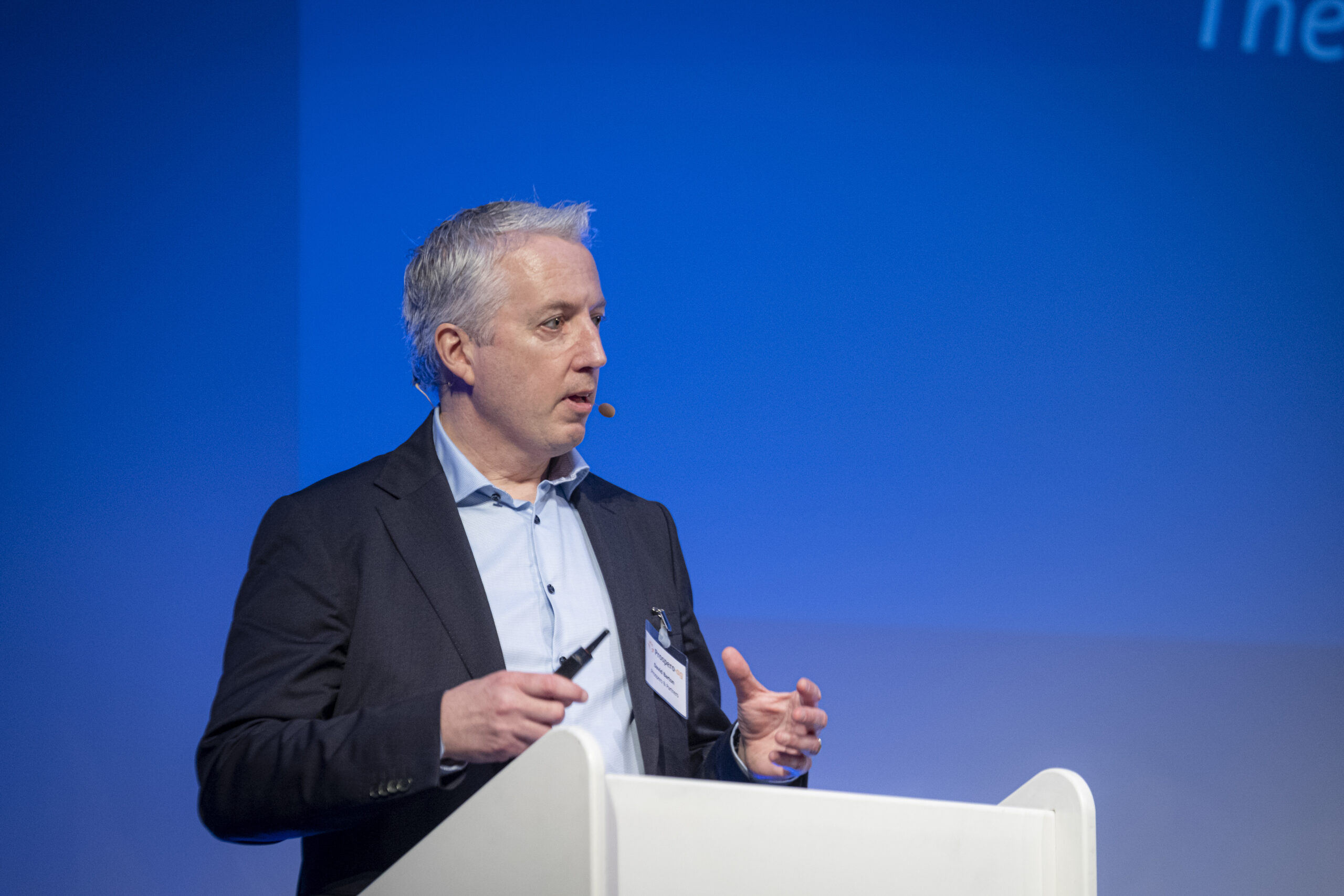
The global biostimulants community will come together in Sacramento, California, this December for the Biostimulants World Congress (BWC) 2026, organised by New AG International in partnership with EBIC, where David Barton from the EBIC Secretariat will present a new approach to understanding the value of plant biostimulants under increasing climate stress.
Rather than looking only at the additional yield plant biostimulants can deliver under favourable conditions, David’s presentation will focus on the losses they can help prevent when crops are exposed to drought, heat and other abiotic stresses.
The approach builds on EBIC’s PT-Agronomy meta-analysis of 114 validated field trials, comprising 623 paired observations across 20 crops and four abiotic stress categories. The analysis examines how biostimulant efficacy changes as stress becomes more severe, rather than focusing solely on average treatment effects.
The results show a clear relationship between stress severity and efficacy. Across the field trials, the average effect was 19.7% reduction in climate-stress-related yield loss. Where stress cut yield by 20-40%, that translates into approximately 4-8 percentage points of yield saved.
This provides the starting point for a broader question: if plant biostimulants can reduce crop losses under stress, how can that contribution to resilience be quantified and valued?
From agronomic performance to avoided loss
Europe provides an important evidence base for answering that question. The European Commission and European Investment Bank’s fi-compass work uses catastrophe modelling to estimate an Annual Average Loss (AAL) of approximately €17.4 billion for EU crops. AAL represents the modelled average crop loss expected each year from climate-related risks.
Bringing this climate-risk modelling together with evidence on plant biostimulant performance creates a different way of thinking about their value. Instead of viewing plant biostimulants only as inputs that increase average yield, their contribution can also be considered in terms of the losses they may help avoid when crops are under stress.
This is particularly relevant in the context of Europe’s agricultural protection gap. The wider fi-compass analysis highlights substantial exposure to climate-related losses that is not currently covered by existing risk-transfer mechanisms. The question, therefore, is whether tools that reduce losses at farm level could become a more recognised part of the climate resilience landscape.
Taking the methodology to California
At BWC, David will explore California as the next lens through which to apply this approach. California agriculture faces its own combination of climate-related perils, including drought, heat, frost, hail and excess rainfall. Using publicly available data, the presentation will examine these exposures alongside the state’s agricultural protection gap and consider how the methodology developed through the European work could be applied in the Californian context.
The distinction is important. The presentation will not put forward an Annual Average Loss estimate for California. Producing a comparable figure would require dedicated catastrophe modelling. Instead, California provides an opportunity to examine the protection gap and demonstrate where this type of methodology could go next.
The broader argument is that the way plant biostimulants are measured influences the way they are valued. If they are assessed only through average yield response, they can remain viewed as discretionary agricultural inputs. If their contribution to reducing losses under stress can be quantified, priced and considered alongside the protection gap, they could increasingly be recognised alongside other forms of climate resilience infrastructure.
Join EBIC at BWC 2026
The Biostimulants World Congress 2026 will take place from 1–3 December in Sacramento, California, following pre-event workshops on 30 November.
Organised by New AG International in partnership with EBIC, the congress has established itself as a major international meeting point for the plant biostimulants sector, bringing together scientists, industry leaders, regulators and innovators to discuss the developments shaping the future of sustainable agriculture.
More than 1,000 international participants, 400 companies and 100+ exhibitors are expected to attend, providing extensive opportunities to exchange knowledge, discover new research and connect with colleagues from across the global industry.
As a partner of BWC, EBIC is proud to support member participation, with EBIC members benefiting from an exclusive registration discount.
We encourage the biostimulants community to join us in Sacramento this December and be part of the discussion about how we can better measure and ultimately value agriculture’s resilience to a changing climate.
View the programme and secure your place at BWC 2026.