<
EBIC Summit 2026
To request a place at the EBIC Summit 2026, fill in the form below and a member of the team will come back to you.
The imperatives for competitiveness, security and resilience in EU agriculture
Agriculture is central to the circular bioeconomy. But the sector is subject to pressures from different quarters. Farmers need to farm profitably to have decent livelihoods, but they also need to ensure the long-term viability of their farm enterprises and meet societal demands. Farmers also deal with an increasingly volatile climate and a turbulent economic background. Agriculture is starting to be recognised as part of Europe’s security architecture, whether in terms of feeding EU citizens or providing critical raw materials to industrial value chains. This year’s summit will explore how to ensure that these imperatives are mutually supportive.
The EBIC Summit brings together senior business leaders, policymakers, farmers, and other agrifood stakeholders to unleash the potential of European innovators to achieve ever more sustainable agriculture and food production. Our unique combination of highly interactive sessions and connecting people from across the agrifood ecosystem in new ways will spark strategic insights, forge new partnerships, and unveil fresh solutions to stubborn challenges.
EBIC members and representatives of Industry Associations with a mandate to represent plant biostimulants, please register through the dedicated website (please contact Beatrice@prospero.ag to receive the link).
Stakeholders can express their interest to attend at the bottom of this page.
The Summit will take place on 10th June at Sparks Meeting, with an evening reception on 9th June, from 18:30 to 20:30 at the Cercle Royal Gaulois in the Brussels Park.
We are adding speakers’ names to the programme as they are confirmed. Please check back regularly for updates.
| 9 June | |
| Welcome reception at the Cercle Royal Gaulois from 18:30 to 20:30 | |
| David McWilliams, Irish economist, author of ‘Money: A Story of Humanity’ and host of the widely followed David McWilliams Podcast, will deliver with a keynote address on Museum or Powerhouse? Europe in the New World Order | |
| 10 June | |
| Except where otherwise specified, all sessions are moderated by Christine Gould, Founder of GIGA Futures and Thought for Food | |
| Opening Session | |
| 09:30 | Welcome from EBIC President Carlos Rodríguez-Villa Förster (Phoenix Biosolutions), and EBIC board member Alice Toderi (Hello Nature) |
| Plenary 1: KEYNOTE: Working together to design policy and markets that deliver competitive, resilient and sustainable agriculture, | |
| 09:40 | Keynote address by Geneviève Pons, Director General & President of Europe Jacques Delors, Brussels
Includes audience Q&A |
| Plenary 2: The Climate Risk Reality: the economics of resilience | |
| 10:00 | Plenary presentation by: David Barton, Senior Consultant, Prospero & Partners |
| Plenary 3: Recognising the front-line role of farmers in supply chain resilience | |
| 10:20 | Agriculture is increasingly recognised as part of Europe’s security architecture. Farmers are not only food producers but also the first link in supply chains that underpin food security and provide essential raw materials for a wide range of industrial value chains. As geopolitical tensions, climate pressures and market volatility reshape the global landscape, how can we best support farmers as the guarantors of supply chain resilience?
This session will explore how farmers can be better equipped to fulfil this role, and how policymakers and industry can work together to strengthen agriculture’s position as a strategic central pillar. Moderated panel with: Riccardo Preve, COO, Riso Gallo |
| 11:10 | Networking break |
| Parallel joint-problem solving sessions | |
| 11:40 | Panel 1: Resilience and security of harvests in the face of climate variability Climate volatility is rapidly increasing the risks facing agriculture everywhere. With climate-related losses in the EU already estimated at around €28 billion per year and projected to rise significantly in the coming decades, ensuring the resilience and security of harvests has become a critical priority for farmers, policymakers and the downstream customers of agriculture output alike. Yet a central question remains: who bears the risks associated with the transition to more resilient production systems? This panel will examine how to reduce yield volatility, improving the insurability of agricultural production and helping to lower the cost of risk across the value chain, including the role of plant biostimulants. Rowan Douglas CBE, Honorary Fellow, Centre for Climate Finance & Investment, Imperial College London; Senior Advisor, Howden Group Moderator: David Barton, Senior Consultant, Prospero & Partners |
| 11:40 | Panel 2: How nutrient circularity and efficiency enhance food chain resilience Improving resource use efficiency and advancing more circular approaches to nutrient management are becoming central to Europe’s efforts to strengthen agricultural resilience. Europe needs to diversify its sources of nutrients—producing what it can, importing what it must, and capturing and revalorising nutrients wherever possible. Ensuring that nutrients are used efficiently throughout the agrifood system, whether for people, crops or livestock, supports strategic autonomy, reduces unwanted environmental impacts, and improves profitability. At a time when geopolitics, trade disruption and energy price volatility are destabilising fertiliser and feed markets, this session will explore how to upscale the production of fertilising products from secondary raw materials, improve plant and animal nutrition management, advance protein diversification, and position nutrients as a key lever for more resilient farming systems. Oliver Hatfield, VP Business Development, Argus Media, United Kingdom Moderator: Kristen Sukalac, Partner, Operations & Strategic Consulting, Prospero & Partners |
| 11:40 | Panel 3: How agriculture and bioeconomy innovation can drive competitiveness and resilience Agriculture is a cornerstone of Europe’s circular bioeconomy, providing renewable raw materials that support a growing range of industrial value chains—from food and feed to bio-based materials, chemicals and energy. In a shifting geopolitical landscape, making better use of Europe’s own biological resources is increasingly seen as a strategic priority for strengthening innovation, competitiveness and economic resilience. Yet across multiple sectors regulations designed for a bygone era seem to struggle to realise the ambitions of bioeconomy policy. This panel will explore how innovation, investment and supportive regulatory frameworks can accelerate or constrain the development of Europe’s bioeconomy, enabling bio-based industries to scale while contributing to growth, jobs and economic dynamism. Marco Rupp, Deputy Executive Director, Bio-Based Industries Consortium Moderator: Christine Gould |
| 12:40 | Lunch and networking |
| Plenary 4 | |
| 13:25 | Reporting back from the parallel joint problem-solving sessions 1. Resilience and security of harvests in the face of climate variability 2. How nutrient circularity and efficiency enhance food chain resilience 3. How agriculture and bioeconomy innovation can drive competitiveness and resilience |
| 13:45 | What does the re-organisation of global trade and geopolitics mean for agriculture? Global trade patterns are undergoing a profound shift as geopolitical tensions, economic security concerns and climate pressures reshape the international economic landscape. Agriculture sits at the centre of this transition: food systems, agricultural commodities and bio-based resources are increasingly viewed not only as tradable goods but also as strategic assets. This session will bring together perspectives from Europe and beyond to explore how trade policy, geopolitical realignment and agricultural policy may interact as the global economy reorganises, and what this could mean for farmers, supply chains and food security. Dr Henrique Pacini, Economic Affairs Officer, Circular Economy & Trade Policy Strategist, UNCTAD |
| Closing session | |
| 14:45 | Closing call to action from EBIC President Carlos Rodríguez-Villa Förster (Phoenix Biosolutions), and EBIC board member Alice Toderi (Hello Nature) |
| 15:00 | Conference ends with networking break |
| EBIC Fireside Chat | |
| 15:30 | EBIC members and invited guests will convene in a private session to engage in joint sense-making from the event
The discussion will be opened by our panel: |
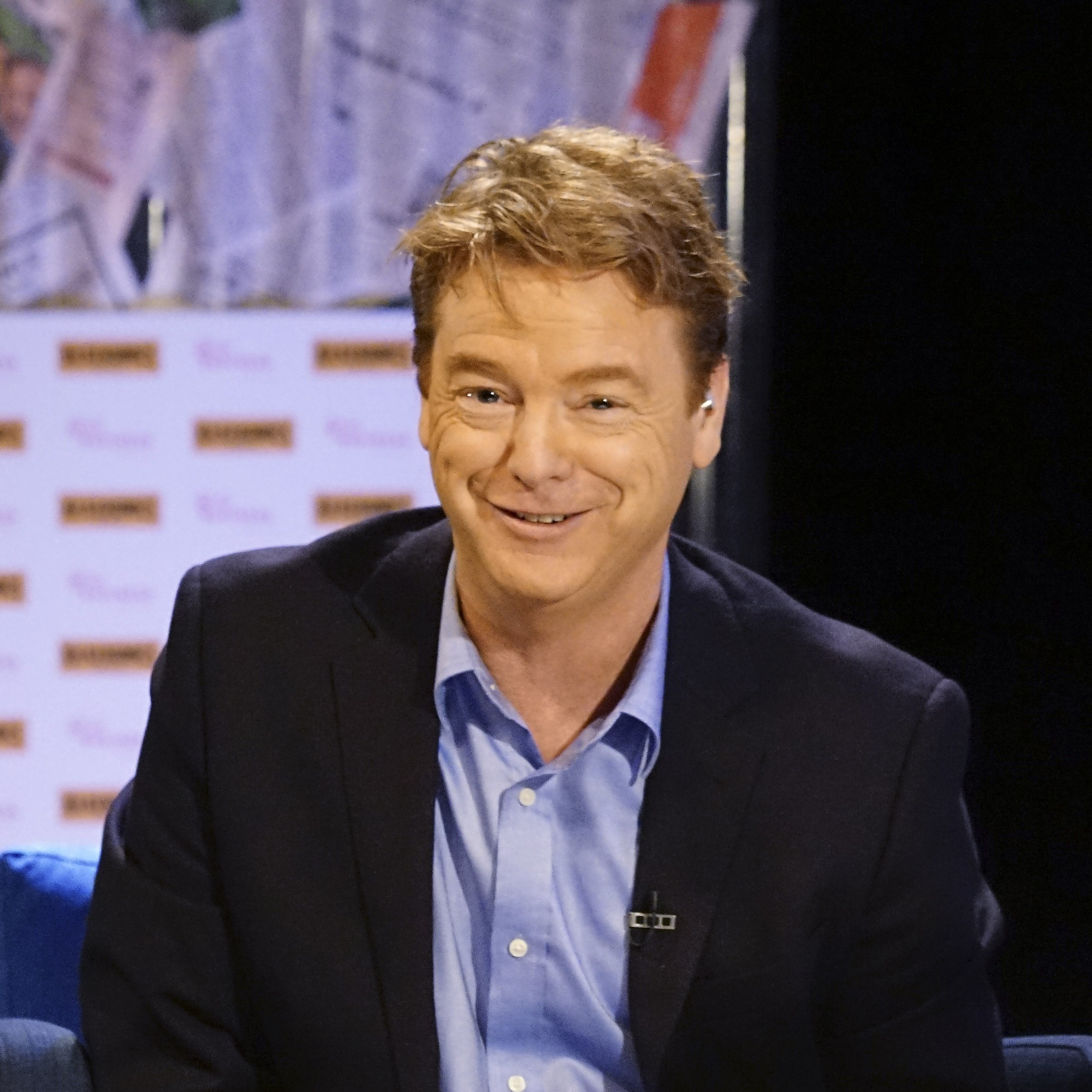
Economist, Author, Broadcaster
David McWilliams is an economist, author and broadcaster. He is an adjunct professor of Global Economics at Trinity College Dublin.
David is the host of The David McWilliams Podcast, which has over 35 million downloads worldwide, making it one of the most successful economics podcasts globally. Known for making complex ideas accessible and engaging, he brings a unique blend of insight, storytelling and humour to economic analysis.
He is the founder of Kilkenomics, the world’s only economics and stand-up comedy festival, described by the Financial Times as “simply, the best economics conference in the world,” and co-founder of the Dalkey Book Festival, Ireland’s largest literary and ideas festival.
A bestselling author, his books have been translated into multiple languages and include Money: A Story of Humanity, named a Book of the Year by the Financial Times and The Economist. He also writes a weekly column for The Irish Times.
His TED Talk, The Power of Unconventional Thinking, has attracted over one million views, highlighting his ability to challenge conventional wisdom and engage global audiences.
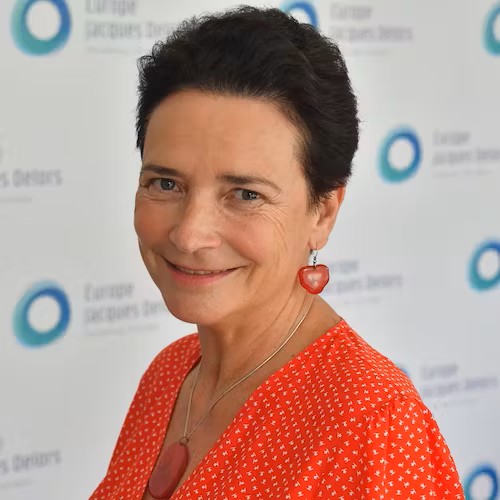
Director General at Europe Jacques Delors, Brussels
Geneviève Pons was in charge of environmental and climate matters in Mr. Jacques Delors’ Cabinet during his last mandates as President of the European Commission (1991-1995). She is an Honorary Director of the European Commission where she held several management positions before becoming Director of the ILO’s Legal Service in 2013, and Director of the WWF’s European Office in 2015. From November 2017, she heads Europe Jacques Delors, the latest in the family of think tanks carrying on Jacques Delors’ European vision. She is a graduate from Sciences Po Paris, the Sorbonne, and ENA.
Geneviève is considered by Politico as one of the most influential women in Brussels. She chairs the citizens engagement group of the EU Mission: Restore our Ocean and Waters. She co-chairs with Pascal Lamy the Antarctica2030 coalition, which aims to protect vast marine areas around Antarctica. She also co-chairs with Sébastien Treyer (IDDRI), the Ifremer Stakeholders Committee and takes part in the ocean group of the Africa Europe Foundation.
Geneviève Pons has been mandated by Ambassador Olivier Poivre d’Arvor, Special Envoy of the French President, to organise an event on the European Ocean Pact at the Third United Nations Ocean Conference (UNOC 3) in Nice in June 2025, in collaboration with Catherine Chabaud.
She is a member of the jury for the European Book Prize. Geneviève Pons is a Knight of the Legion of Honour.

Moderator | Founder of GIGA Futures and Thought For Food
GIGA was founded by Christine R. Gould, a food systems innovation expert, entrepreneur, and strategist with deep experience across Fortune 500 corporates, startups, and global policy initiatives.
Christine has led high-impact, deep-tech-focused innovation efforts, serving as Head of Corporate Affairs for Syngenta’s two largest commercial units (corn and cereals) and previously as Head of Next-Generation Innovation and Biotechnology & Advanced Breeding Policy.
She has collaborated with industry leaders like Danone, DSM, Cargill, and NEOM; co-led the Food Systems Game Changers Lab (EAT, IDEO, Forum for the Future, The Rockefeller Foundation); and served on the Advisory Committee for the UN Food Systems Summit. She is also the author of ‘The Change-Maker’s Guide to Feeding the Planet.’
As the Founder of Thought For Food, the world’s leading community of next-gen agrifood innovators, Christine has accelerated 100+ startups worldwide that have collectively raised hundreds of millions in investments. She’s known as a woman with a big vision who also makes big things happen.
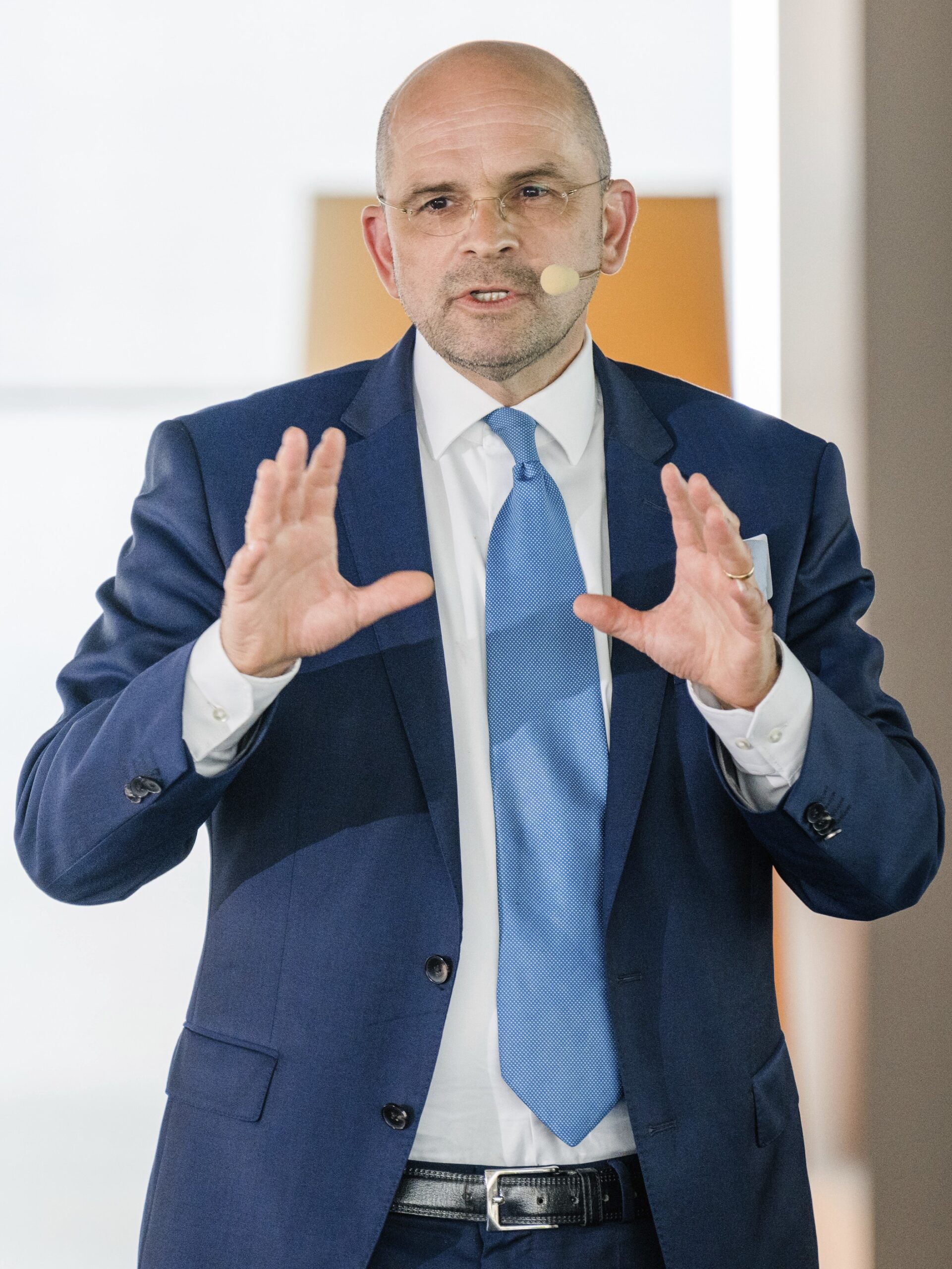
Secretary General at European Dairy Association
Since October 2013 Alexander Anton (French and German nationalities) heads as Secretary General the European Dairy Association (EDA), the voice of the milk processing industry in Europe. As per June 2020, Alexander took also the role of secretary general of EWPA, the European Whey Processors Association.
Prior to his dairy roles, Alexander held different positions in Brussels. From 2008 to 2013, he was in charge of the European corporate affairs department of ELANCO, the veterinarian branch of the U.S. pharmaceutical company Eli Lilly. Before, Alexander worked as an EU Commission official in DG SANCOs directorate “safety of the food chain”, responsible for food law and food labelling.
As a trained lawyer and attorney (law degrees from universities of Bayreuth (Bavaria) and Bordeaux (France)), Alexander also worked at the Research Institute for German and European Food Law and established and headed the Brussels liaison office of a German trade association.
Alexander is married, has two children and enjoys running, hunting and cooking and holds the rank of a major (reserve) of the German airforce.
General Manager at SICIT Group
Sergi Barrull is General Manager of SICIT Group, a global leader in sustainable biostimulants and circular-economy solutions for agriculture. Based in Verona, Italy, he leads the private equity-backed company’s international growth strategy, operations and innovation agenda as it expands its portfolio of biostimulants, seaweed extracts and plant-based agricultural technologies.
With more than 18 years of experience across biotechnology, biologicals, seeds and crop protection, Sergi has held senior leadership roles at SICIT, Indigo and Syngenta. Throughout his career, he has led business transformations, international market expansions, strategic partnerships and M&A initiatives across Europe and Latin America.
Passionate about innovation and sustainability in agriculture, Sergi brings extensive expertise in commercial strategy, business development and scaling science-based technologies to global markets.
Director, EU Office at Ukrainian Agribusiness Club (UCAB)
Nazar Bobitski is a senior director and an expert on EU trade policy at the Brussels office of KREAB, an international public affairs firm with Swedish roots.
A former Ukrainian diplomat with over 20 years of experience in EU-Ukraine trade relations, Nazar was involved in the negotiations on the EU-Ukraine Association Agreement and its subsequent implementation. Nazar advised Ukrainian economic and sectoral ministries, as well as Ukrainian and European companies, SMEs and business associations on EU-Ukraine trade relations and EU external relations with the EU neighbourhood. Before leaving the Ukrainian diplomatic service, Nazar held the post of the Deputy Head of the Ukrainian Mission to the EU, leading the Mission’s trade and economic section.
Within his role at KREAB, Nazar leads the EU office of the Ukrainian Agribusiness Club (UCAB), a leading Ukrainian agrifood association bringing together export-oriented farmers and agricultural enterprises.
A graduate of the University of Amsterdam and King’s College, University of London, Nazar is fluent in English, Dutch, Ukrainian, Russian, and has a working proficiency of Polish and French.
Founder at The Blended Capital Group
Paul Clements-Hunt coined the term ESG in 2004 and led the development of the UN Principles for Responsible Investment (UN PRI) under Secretary-General Kofi Annan. Today, PRI is backed by over 5,400 institutional investors representing more than $139 trillion in assets.
He has advised governments, prime ministers and corporate boards globally on mobilising finance at scale for sustainability and climate challenges. After 12 years heading UNEP Finance Initiative, he founded The Blended Capital Group, focused on deploying blended finance solutions in emerging markets.
Paul currently serves as Chair of the Future Fit Foundation and is a Board Member of Global Infrastructure Basel.
Managing Director at Agriland
Robert de l’Escaille is Managing Director of Agriland, a company specialized in agricultural land management and advisory services for landowners and farmers across Belgium and France. Trained as an environmental economist, he previously worked at Deloitte in sustainability consulting and at the World Bank on agricultural development and natural capital initiatives. Today, he focuses on helping bridge the gap between agriculture, land stewardship, environmental objectives, and practical farm management through innovation, data, and collaboration with stakeholders across the agricultural sector.
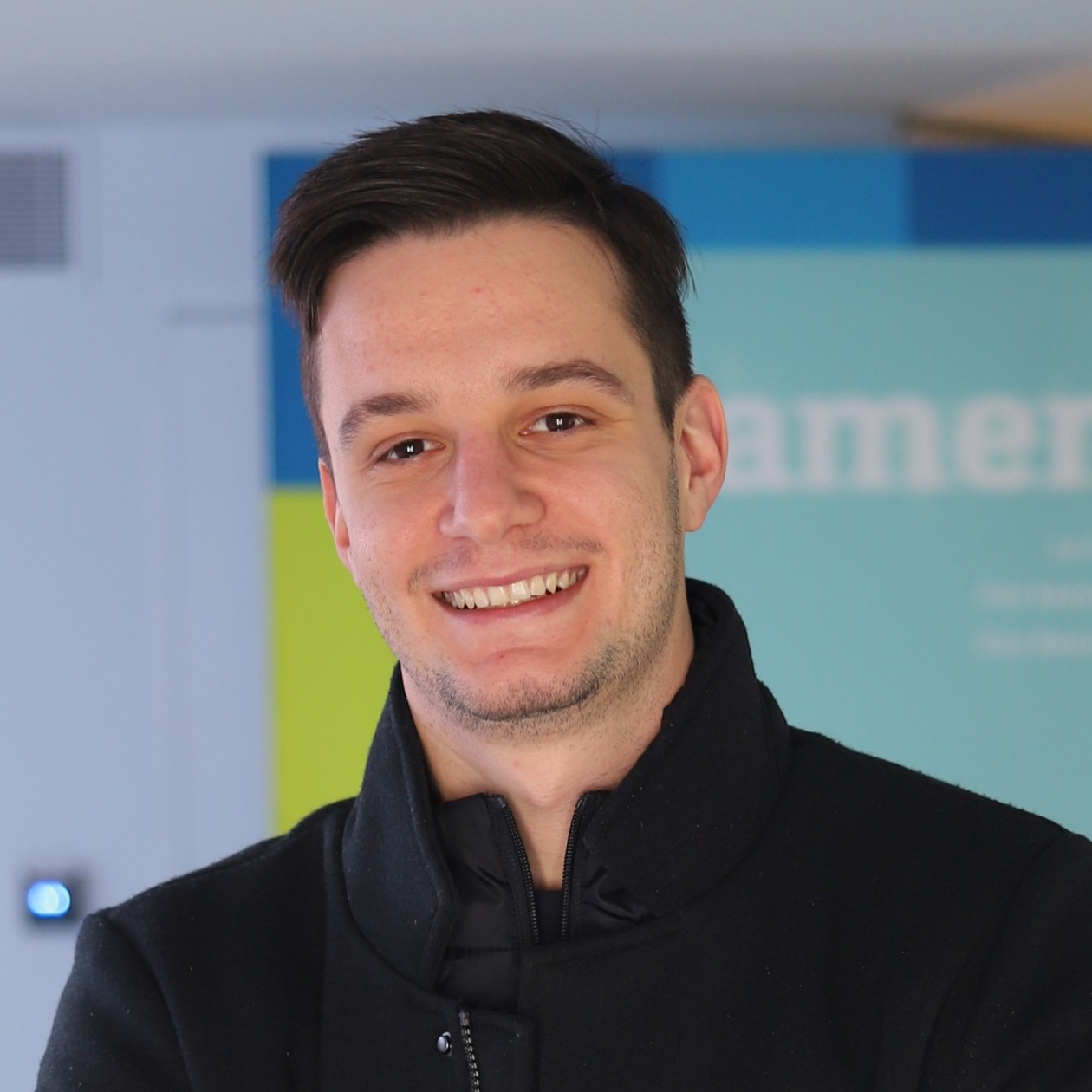
Secretary General at COTANCE
Edoardo De Paola is Secretary General of COTANCE, the organisation representing the European tanning industry and the voice of European leather. His background spans sustainability, public affairs, and environmental policy, with professional experience in Brussels-based advocacy and consultancy focused on sustainable development and European regulation. Before joining COTANCE, he worked with public affairs and strategic communications firms advising stakeholders on EU policy matters. He holds a Master’s degree in Sustainable Development from KU Leuven and a degree in Political Science from the University of Bologna. Multilingual and internationally oriented, he speaks Italian, English, French, Spanish and Portuguese.
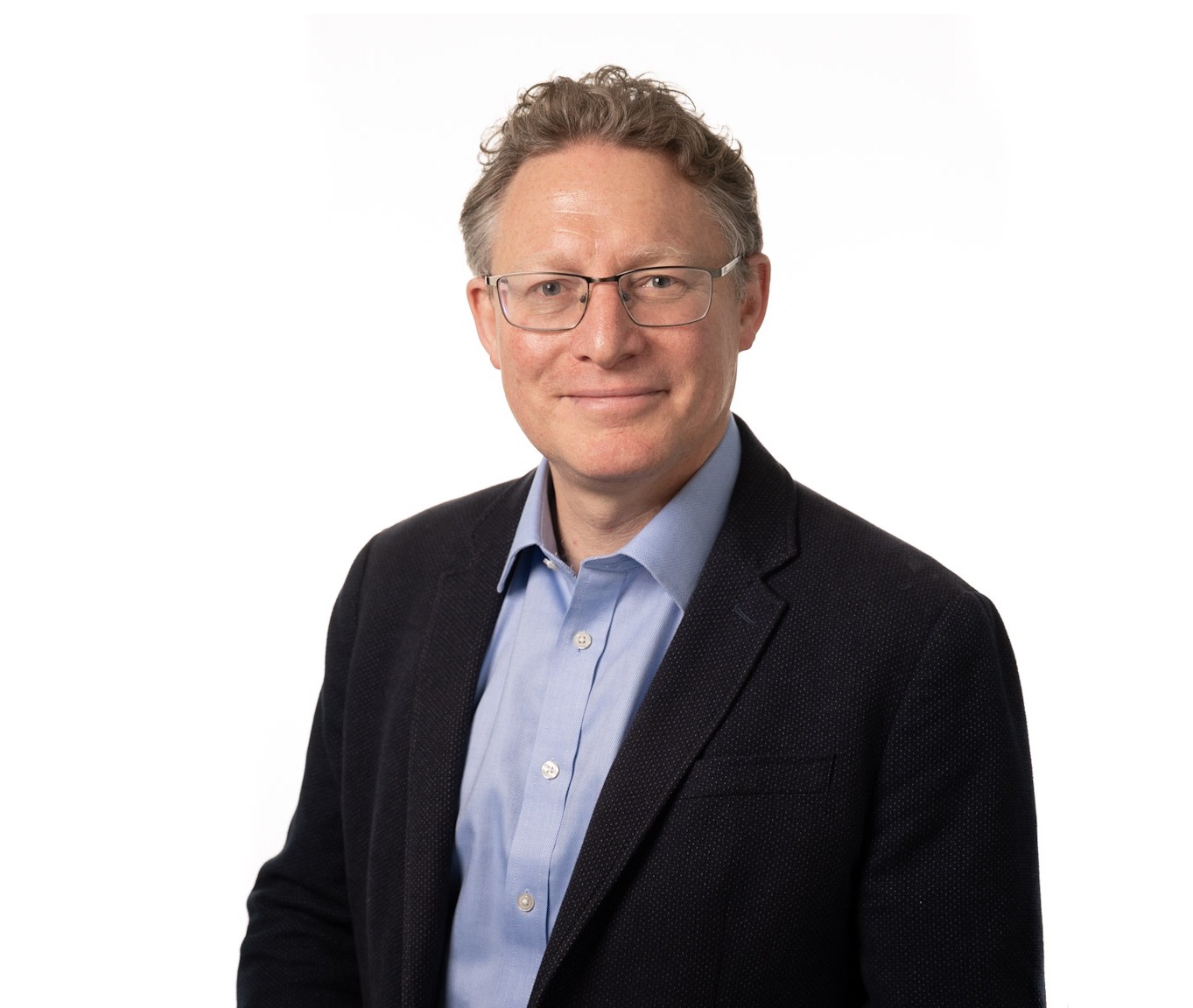
Honorary Fellow, Centre for Climate Finance & Investment, Imperial College London; Senior Advisor, Howden Group
Rowan is an Honorary Fellow at CCFI, Department of Finance, Imperial College London. He was CEO Climate Risk and Resilience at Howden Group until 2025, where he remains a Senior Advisor.
Rowan has over thirty years’ experience in international reinsurance, risk management and related science, public-policy and financial regulation.
In 2024-25 he co-led a major analysis for the European Commission and European Investment Bank on climate risk to EU crops and livestock with recommendation on reforms to adaptation and insurance.
He has also served on UK Prime Minister’s Council for Science and Technology 2011-2016 and founded award-winning initiatives including the Insurance Development Forum (with UN , World Bank and industry leaders) launched at CoP21 Paris. He was made CBE for services to the economy through risk, insurance and sustainable growth.
Rowan studied Geography at Durham and Bristol Universities and lives and works in London.
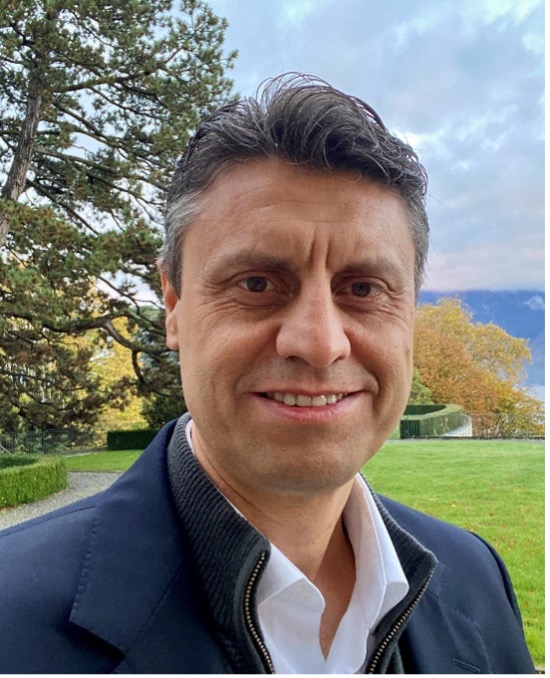
Agriculture Lead at Nestlé Zone Europe
Fatih Ermis is Agriculture Lead for Nestlé Zone Europe, where he leads the transformation of agricultural sourcing systems to support food safety, farmer resilience, and climate-positive outcomes across the region. With nearly 30 years of experience spanning Europe, Asia, Africa, and the Middle East, Fatih brings deep, hands-on expertise in dairy, cereals, fruits, coffee, and cocoa value chains, working directly with farmers, suppliers, industry partners, and public institutions.
Trained as an agricultural engineer with an Executive MBA, Fatih has held senior leadership roles across Nestlé’s global operations, including Head of Agricultural Services in Greater China, India and Pakistan as well as corporate and regional roles in dairy development and raw material sourcing. His career has been marked by building farmer-centric models that improve productivity, quality, and livelihoods while reducing environmental footprint.
Today, Fatih focuses on scaling regenerative agriculture, GHG reduction, and responsible sourcing in line with Nestlé’s 2030 commitments and the European Green Deal. He is a strong advocate for practical, science-based sustainability bridging farm realities with corporate ambition to ensure that the future of food is both sustainable and economically viable for farmers.
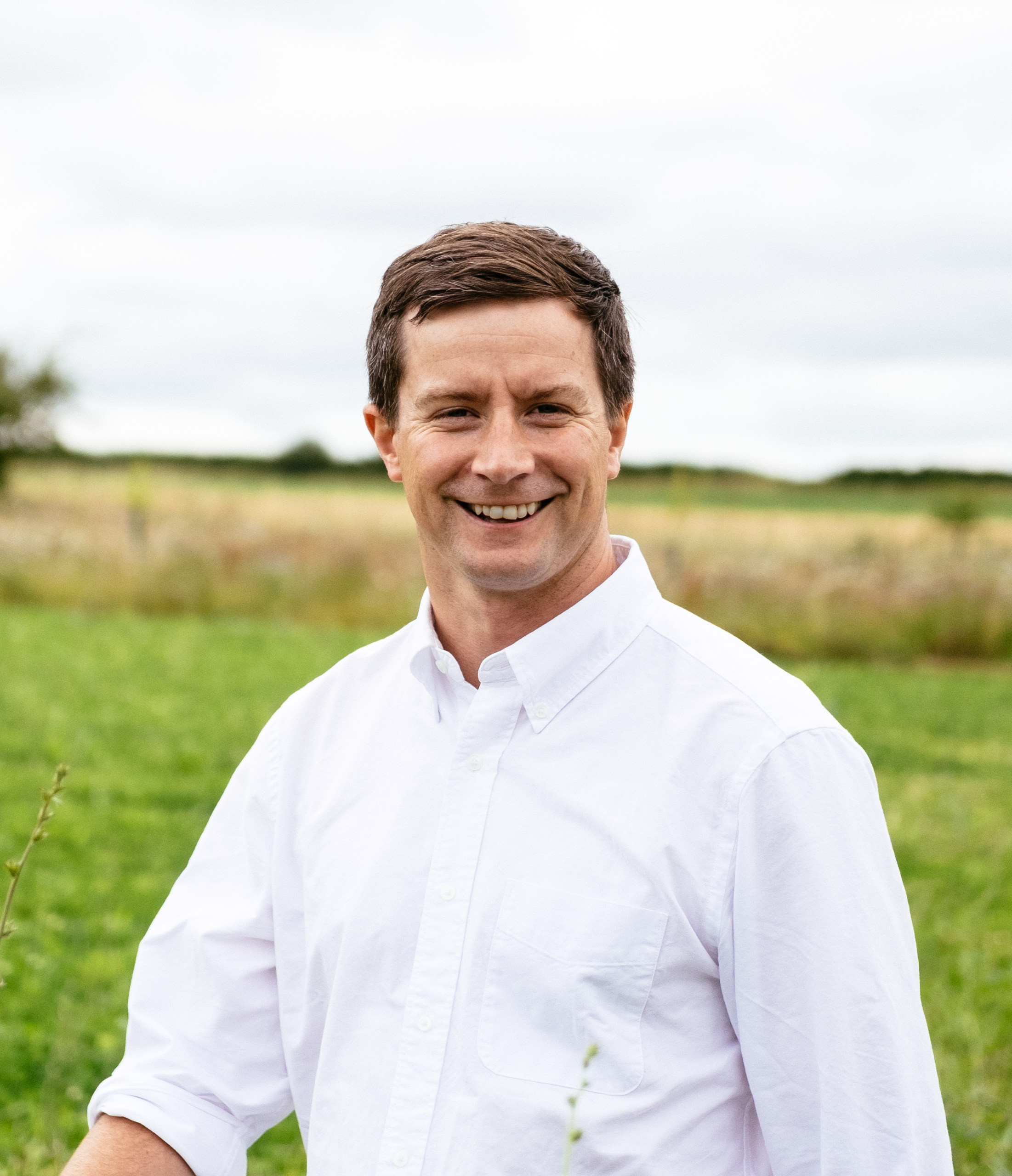
CEO & Founder at Soil Association Exchange
Joseph Gridley is CEO of Soil Association Exchange, working with leading businesses to convert climate and nature commitments into practical change on farms. He leads the design and delivery of farming programmes across 30+ supply-chain partners, directing investment into actions that cut risk, improve profitability and strengthen long-term supply resilience. Exchange works with more than 2,000 farmers across the UK and beyond, with a new pilot recently launched in Spain.
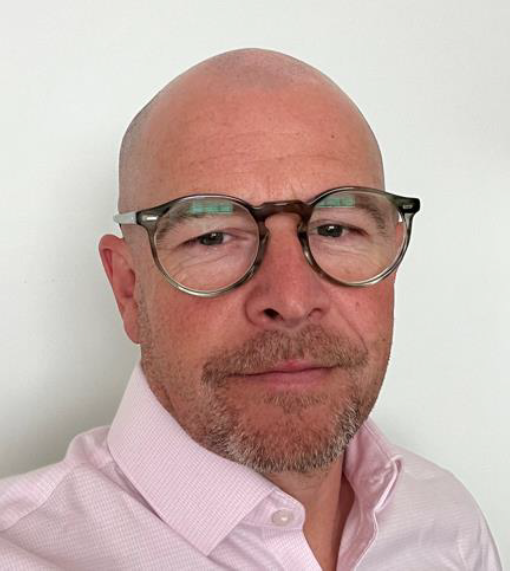
VP Business Development at Argus Media, United Kingdom
Oliver Hatfield, is VP Business Development for Argus Media in London. Oliver joined Argus in October 2018 following its acquisition of Integer Research, where he spent 15 years as head of the fertilizer market research team.
Oliver has more than 20 years of experience in business analysis and consulting, and he was also one of the founders of Integer. Oliver has worked extensively on multi-client and bespoke market analysis studies, covering market forecasts, strategy, due diligence, market entry and project feasibility.
He has worked as an analyst on all the key fertilizer and related chemical markets, and has been spearheading Argus coverage of the growing market for clean ammonia and its significant potential as an energy carrier. Oliver is also leading development of Argus’s sustainability-related market coverage in the fertilizer sector.
Oliver is a graduate of economics and development economics from the University of Manchester in the UK.
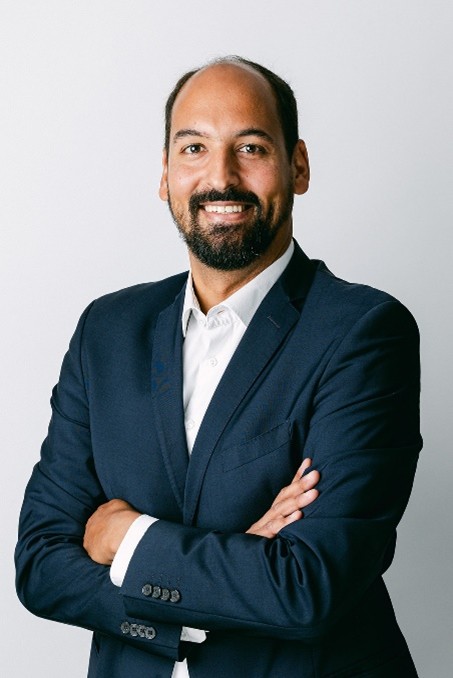
Senior Manager, Economic Affairs, Trade & Market Access Lead at FoodDrinkEurope
Louis Hinzen is Senior Manager Economic Affairs and Trade & Market Access Lead at FoodDrinkEurope, representing the European food and drink industry. As a seasoned EU affairs and agri-food professional, he provides strategic advice to enhance market opportunities and remove trade barriers. Monitoring EU and global trade policy developments, he advocates the sector’s priorities on trade agreements, negotiations, and market access with EU institutions and key stakeholders. He also coordinates FoodDrinkEurope’s Trade Expert Group and manages the organisation’s quarterly economic and trade bulletins.
Louis holds an MSc in Agricultural Economics from Humboldt University of Berlin, Germany, and an MA in Development Economics from the University of Sussex, United Kingdom.
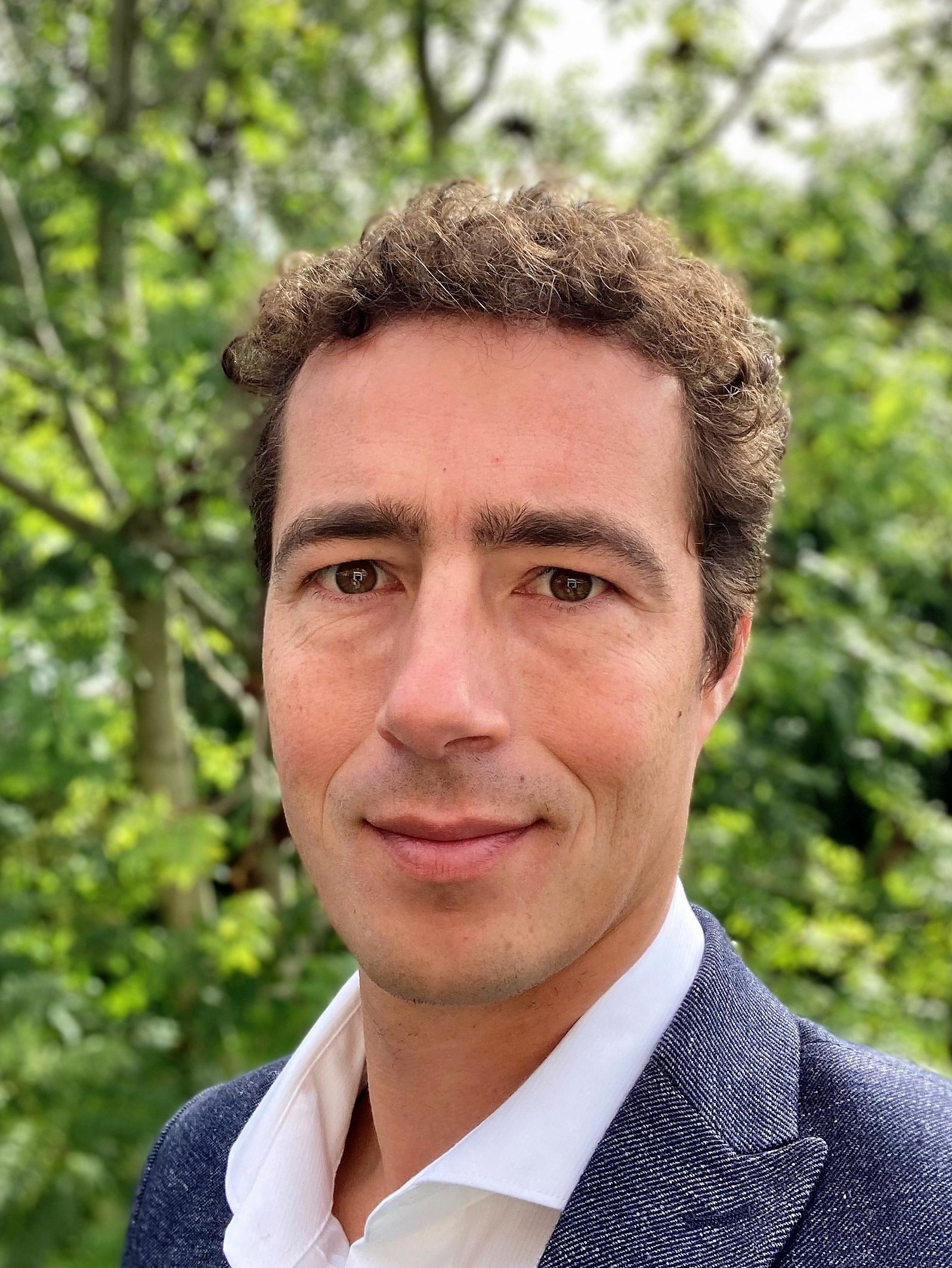
Head of Agriscience & Fermentation at Roquette
Julien Honoré is Business Unit Director – Agriscience & Fermentation at Roquette, a global leader in sustainable plant-based solutions.
In his role, Julien leads the development and commercialization of innovative plant-based ingredients for agriculture and bioindustry, helping to translate the potential of nature into competitive, sustainable and high-value solutions. He supports biosolutions for plant nutrition, plant protection and seed treatments, as well as biomanufacturing and industrial fermentation.
With 20 years of international experience spanning business development, investment strategy, innovation management, and large-scale project leadership, Julien has built a strong track record in developing high-growth activities across multiple industries, with an increasing focus on biotechnology and bioeconomy.
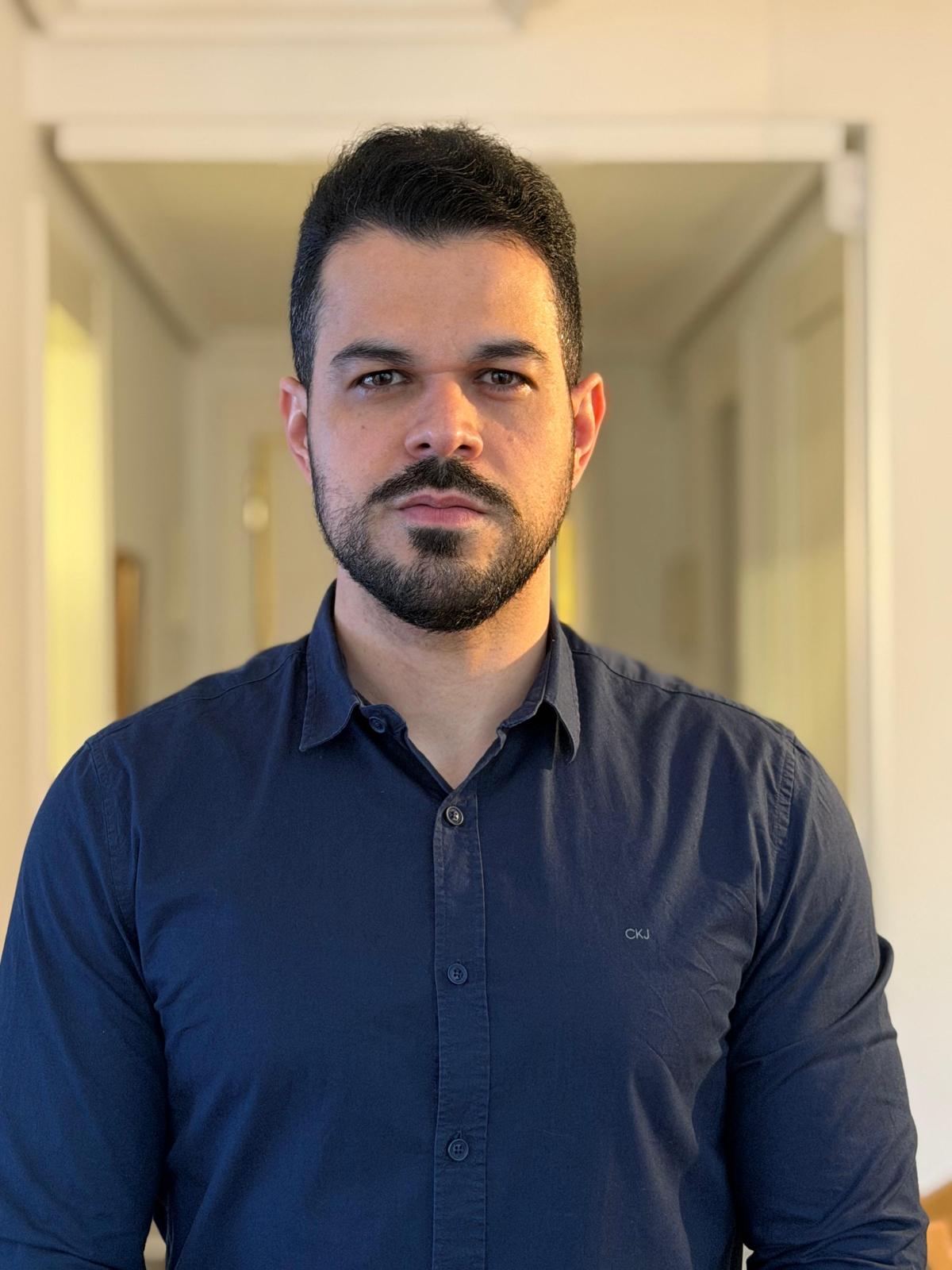
CEO & Founding Partner at Agrolink Brasil
Vinicius Lemes is a Brazilian agronomist and experienced agribusiness executive with more than a decade of experience in strategic leadership roles within Brazil’s fertiliser sector. He has led complex commercial operations for major distribution companies, including Agrex do Brasil (Mitsubishi Corporation) and Grupo Sinova (a joint venture between Bunge and UPL), with a particular focus on Brazil’s Cerrado region. His expertise spans pricing, procurement, supply chain management and logistics, supporting business operations with annual sales of approximately USD 180 million.

Sustainability Director at Fertinagro Biotech
Azucena Mainar Navarro is Sustainability Director and Head of the President’s Office at Fertinagro Biotech. With more than 20 years of experience in the industrial and environmental sectors, her work focuses on sustainability strategy, circular economy, environmental compliance, and corporate governance.
At Fertinagro Biotech, she has led the company’s sustainability agenda, including work on environmental, health, safety and quality operations, as well as reporting frameworks and initiatives related to GRI, CDP, SBTi, CBAM and carbon management. She previously headed the company’s Secondary Raw Materials and Circular Economy division, overseeing sourcing, compliance and circularity initiatives.
Before joining Fertinagro, she worked as an environmental consultant specialising in environmental authorisations, impact assessments, occupational risk prevention and operational management systems.
Azucena holds an MSc in Industrial Engineering from the University of Zaragoza and a Master’s Degree in Occupational Risk Prevention. She is currently completing an Executive MBA at EAE Business School.
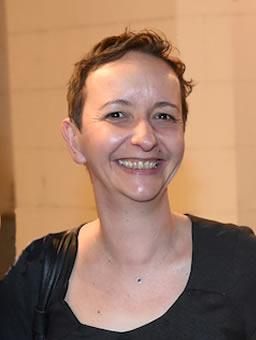
Business Development Director at European Landowners Association (ELO)
Anne made her entry into ELO in 2016, transitioning from the realm of institutional communications. Over the years, she has cultivated a genuine passion for the subjects and individuals central to ELO’s network. Finding common ground, sharing a narrative between organizations is still at the heart of what she enjoys doing. In addition, she adeptly manages the operational and administrative aspects of ELO and its affiliated entities.
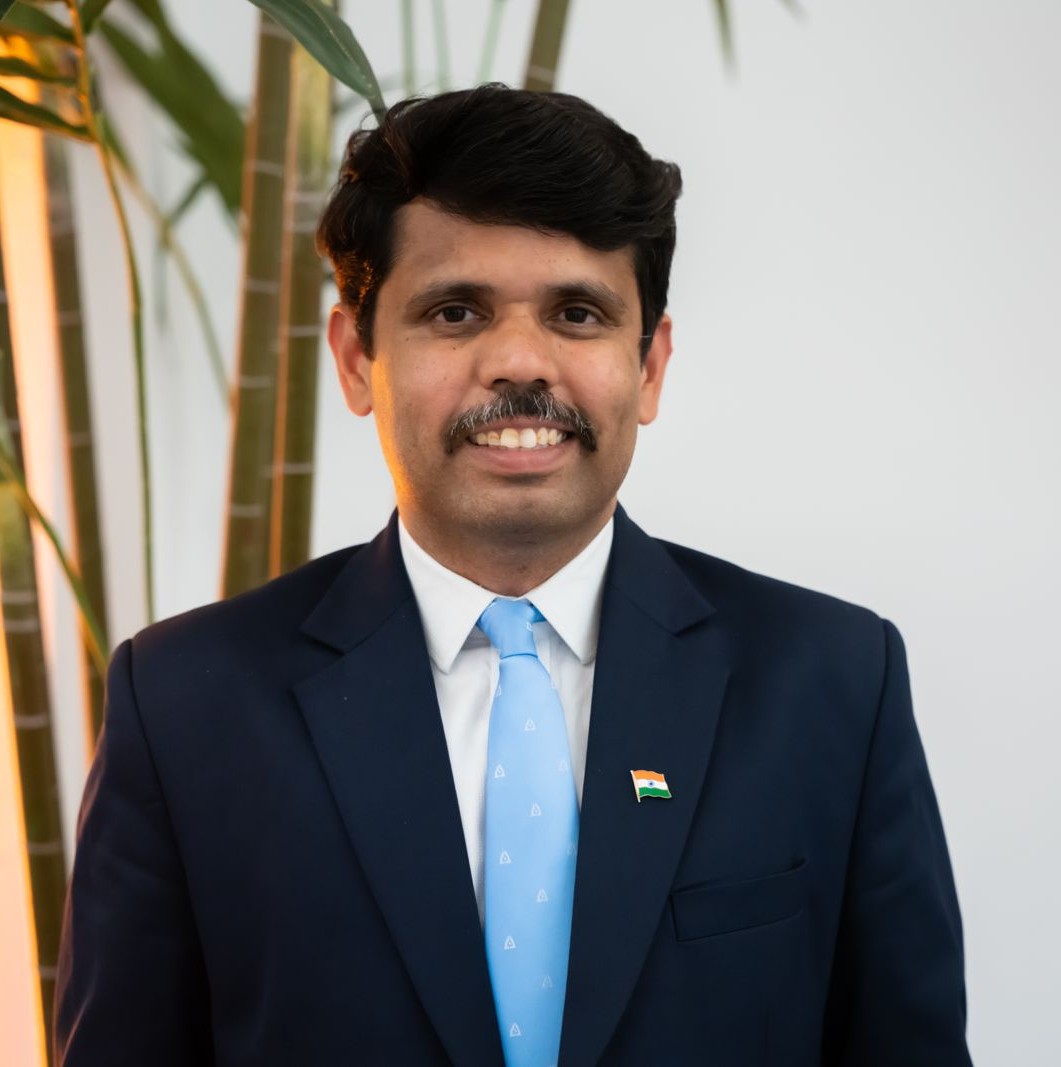
Adviser (Agriculture & Marine Products) at Embassy of India
Dr. Venkatesh Palani Samy is Adviser (Agriculture & Marine Products) at the Embassy of India in Brussels, covering relations with the European Union, Belgium, and Luxembourg. He works on agriculture, food safety and SPS issues, marine products, sustainability, trade facilitation, and India–EU cooperation in agri-food sectors. He has extensive experience in agricultural policy, international trade, research coordination, and engagement with EU institutions, international organisations, and industry stakeholders on issues relating to food systems, market access, and sustainable agriculture.
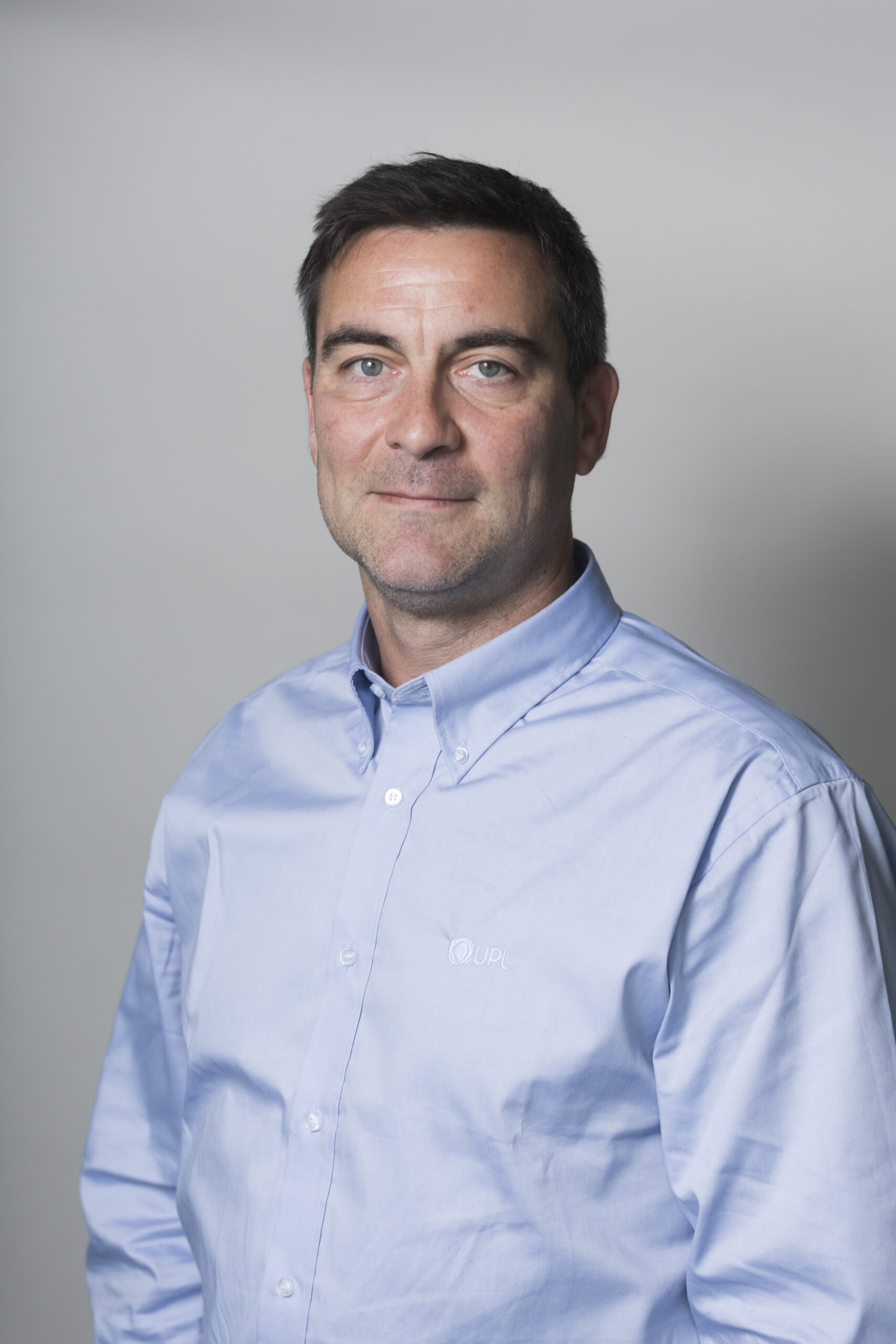
Economic Affairs Officer, Circular Economy & Trade Policy Strategist at UPL, and EBIC representative
Pierre Merle is the Business Head Europe for Natural Plant Protection (NPP at UPL), leading the company’s biosolutions strategy across the region.
Over the past 20 years, Pierre has built his his career across different regions and industries, including a decade in Asia, always focusing on growing businesses and adapting to complex fast-changing environments.
Since joining UPL in 2018, and leading NPP Europe since 2022, Pierre has played a key role in accelerating the adoption of BioSolutions in Europe, driven by the rapid expansion of biostimulants and biocontrols.
Today, he is engaged in supporting the transition toward more sustainable and resilient farming systems, helping farmers integrate new solutions, reducing dependency on traditional inputs, navigating through the shifting market dynamics, and increasing regulatory pressures.
Pierre brings a practical and field-driven perspective with a strong focus on how farmers can adapt to a more uncertain and rapidly changing world.
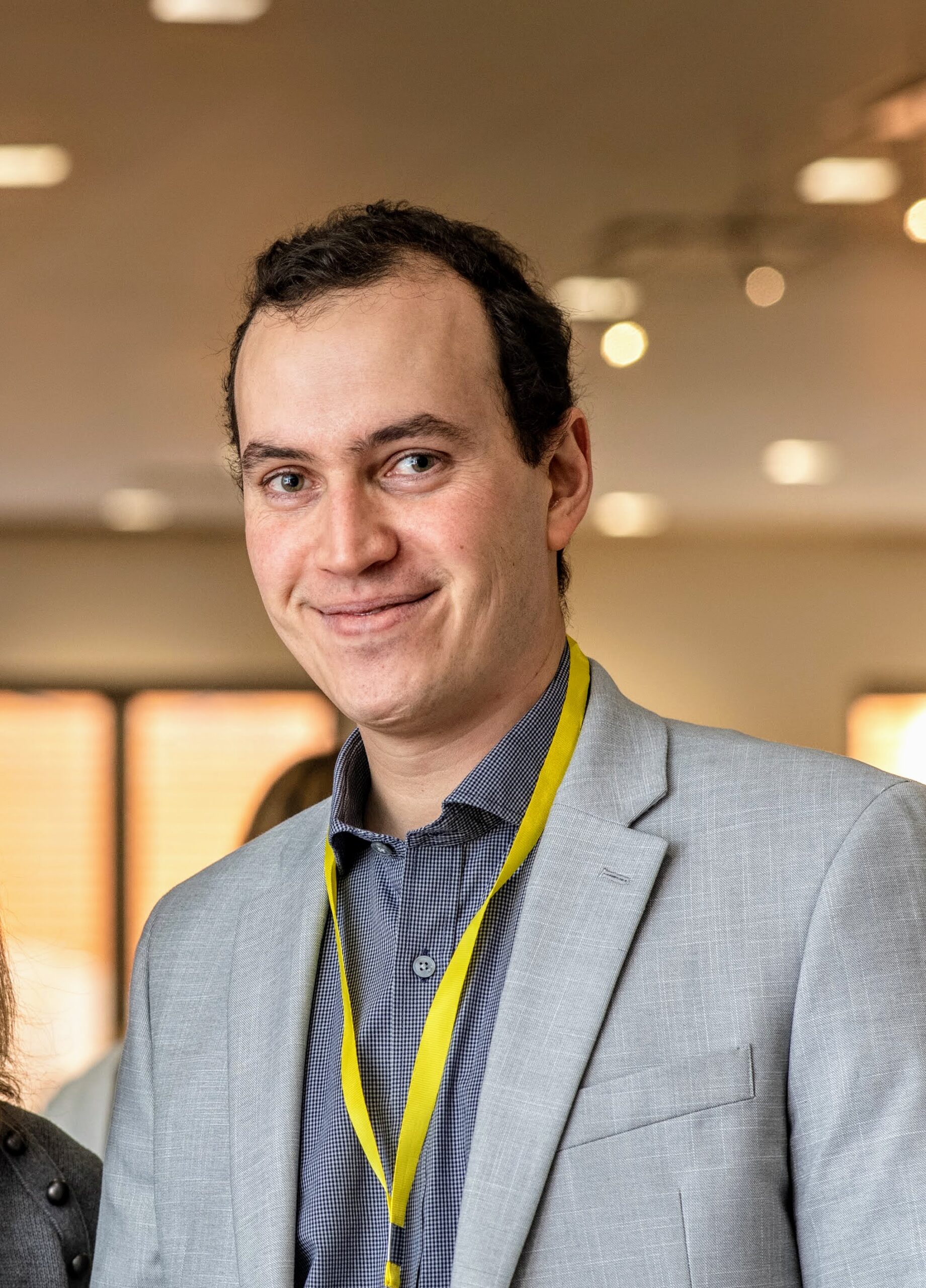
Economic Affairs Officer, Circular Economy & Trade Policy Strategist at UNCTAD
Dr. Henrique Pacini is an economist at UNCTAD, where he focuses on trade and the circular economy. He leads policy dimensions of the USD 31million UK-UNCTAD SMEP programme, which was initiated to address pollution in trade-exposed value chains across Africa and South Asia, including work on plastics and non-plastic substitutes from agriculture and marine sources. Pacini holds degrees in Economics and European Studies, as well as a Ph.D. in Energy Technology, with focus on biofuels. He completed a post-doctoral fellowship at Harvard University, where he researched global networks of plastic scrap trade and co-chaired the institution’s inaugural Circular Economy Symposium. He published over 30 articles on environmental issues, especially the connections between circular economy and trade.
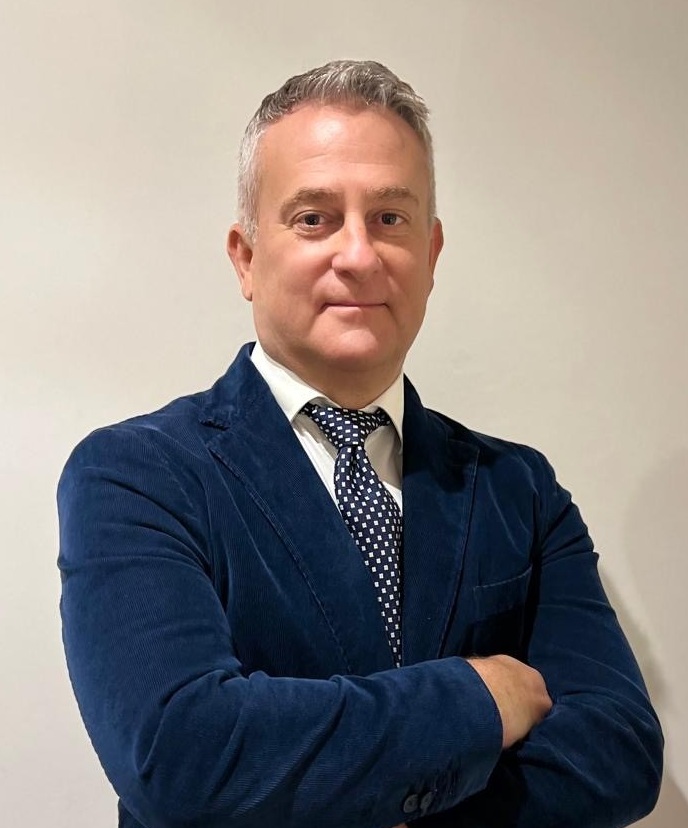
EMEA Biologicals Marketing Leader at Corteva Agriscience
Renzo Domenico Pedretti is EMEA Biologicals Marketing Leader at Corteva Agriscience, bringing over 20 years of experience with Corteva and seven years with Valagro. His background spans both conventional crop protection solutions and biologicals, enabling a balanced and integrated view of agricultural solutions at a global level.
With an agronomic and techno economic education, he promotes biologicals as complementary tools within long term, effective and sustainable crop protection and crop management strategies. He is also an active contributor to industry dialogue, serving on the Presidency Council of Agrofarma (CropLife Italy) and within Federchimica’s General Council and Bioeconomy working group.
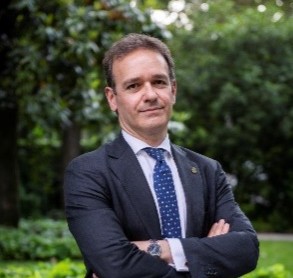
COO at Riso Gallo Spa
Riccardo Preve is one of the owners of Riso Gallo Spa, and with his three brothers represents the 6th generation of the family, running the business since 1856. He joined the family business in 2003 and currently he is COO.
Riso Gallo is leading rice brand in Italy, exporting to more than 80 countries in the world.
He is also the CEO of Parboriz Spa since 2011.
Riccardo Preve is president of FERM (Federation of European Rice Millers) since June 2022.
Before joining the family business, he worked in Germany at Ferrero GmbH.
In March 1999, he graduated in Business Administration at Università Cattolica of Milan.
He was born in Genoa (Italy) and lives in Milan.
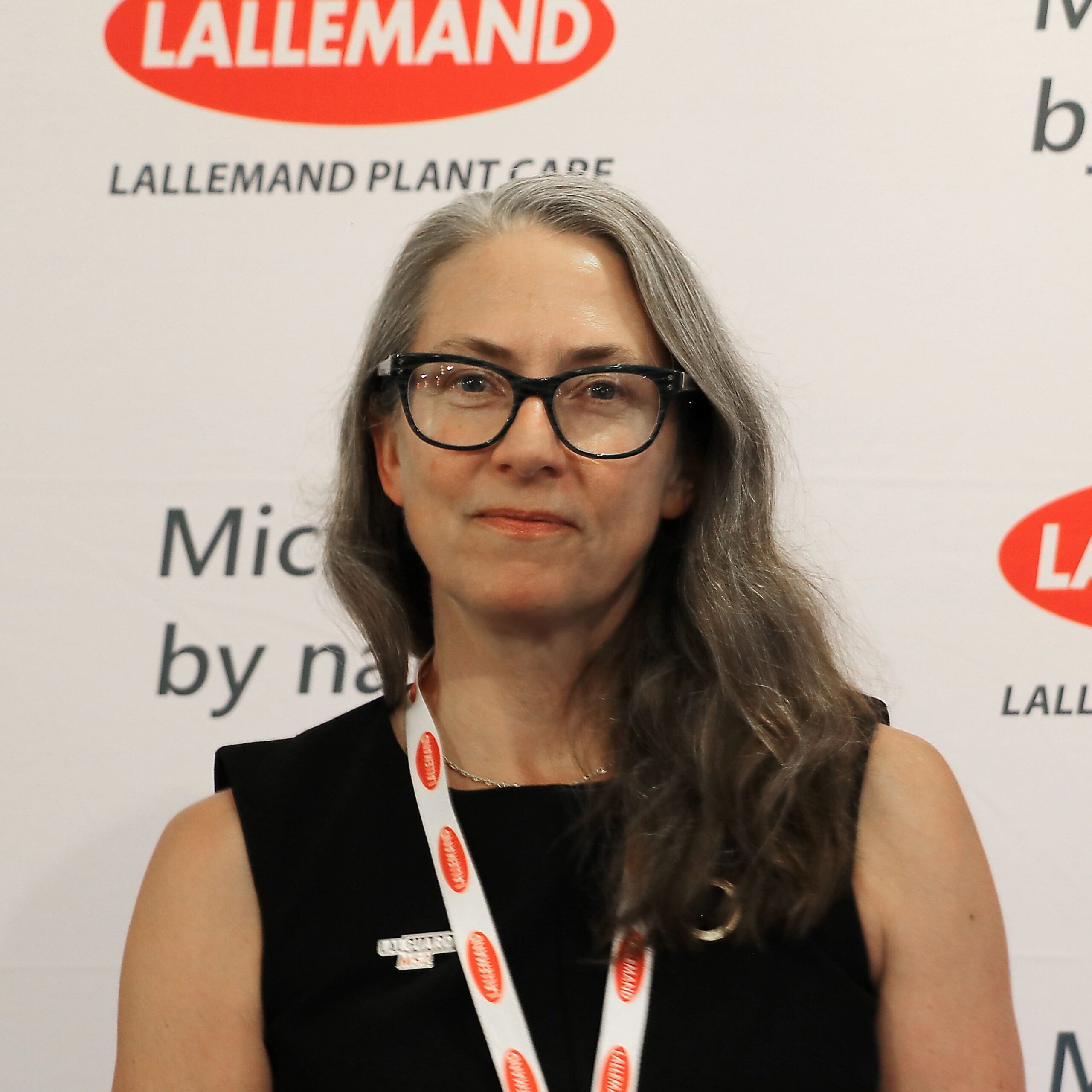
Vice President, Regulatory Affairs at Lallemand Plant Care, and EBIC board member
In her current role as Vice President, Regulatory Affairs at Lallemand Plant Care, Amy manages global activities for microbial-based biocontrol, biostimulant and biofertilizer products, and participates in country-specific, regional and international associations that support the industry. She has a long history of active participation in allied industry associations and groups (such as BPIA, TFI and ISO, to name a few), bringing both a global perspective and a strong dedication to advancing the mission, vision and values of EBIC.
Her work focuses on advancing the role of biologicals in improving soil health, sustainability and climate resilience, and on supporting their wider adoption through effective and harmonised regulatory frameworks, thereby delivering positive impacts across food systems.
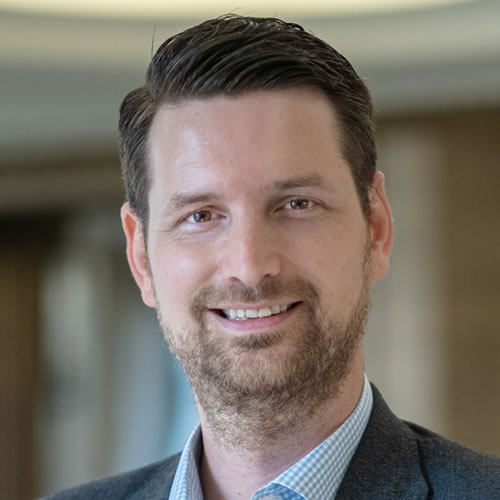
President at European Biostimulants Industry Council (EBIC)
Carlos Rodríguez-Villa Förster holds a Bachelor’s degree in Economics and a Master’s in Digital Business. Fluent in English, Spanish, and German, he is also the father of three children.
His career spans business development, international sales, public relations, media management, e‑commerce, biotechnology, and agriculture. Entrepreneurial by nature, he has lived and worked in six countries, co‑founded six companies across Latin America, Europe, and Asia, won four European pitching contests, and raised more than €100 million in funding.
Carlos served as Country Manager for Zalando, Europe’s largest and fastest growing e‑commerce platform, where he led the company’s successful expansion into the Spanish and Portuguese markets during its period of hyper‑growth.
For over 15 years, he was Managing Director of AlgaEnergy, a biotechnology company founded by his family. Under his leadership, the company scaled from laboratory-stage to a global presence serving over six million farmers through ten international subsidiaries. AlgaEnergy became a multi‑award‑winning market leader until a larger group acquired and integrated it.
Building on two decades of pioneering work in microalgae biotechnology, Carlos co‑founded and now leads Phoenix Biosolutions, the first biostimulants company to introduce a Technology‑as‑a‑Service (TaaS) model. This approach expands farmers’ access to cutting‑edge innovation, strengthening the bioactivity and sustainability profile of microalgae‑based biostimulants.
Carlos has participated as speaker in over 80 conferences and congresses, and is deeply engaged in advancing the bio‑based and sustainable innovation ecosystem. In example, he serves on the Executive Committee of BioVegen (Spain’s Plant Biotechnology Platform), is a Board Member of the World Agriculture Forum (WAF), and is President of the European Biostimulants Industry Council (EBIC).
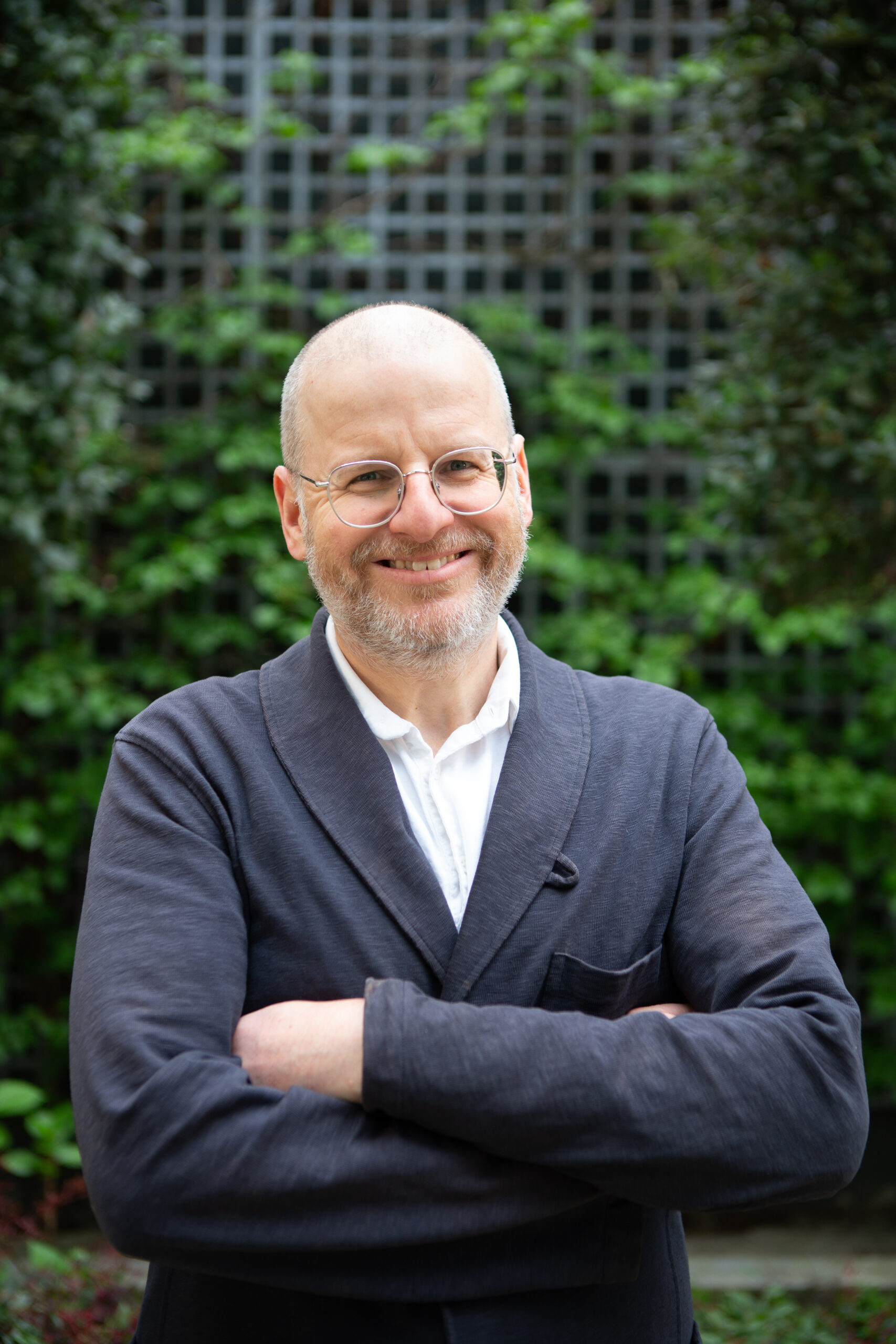
Deputy Executive Director at Bio-Based Industries Consortium (BIC)
Marco is the BIC Deputy Director. In addition, he manages public affairs and sustainability activities at BIC, including coordination of the Public Affairs Working Group. He graduated as an economist. Marco has over 20 years of private and public sector expertise in various management functions. He is a member of several expert groups and advisory boards in the field of the bioeconomy. He has coordinated several studies and publications on the bio-based industries.
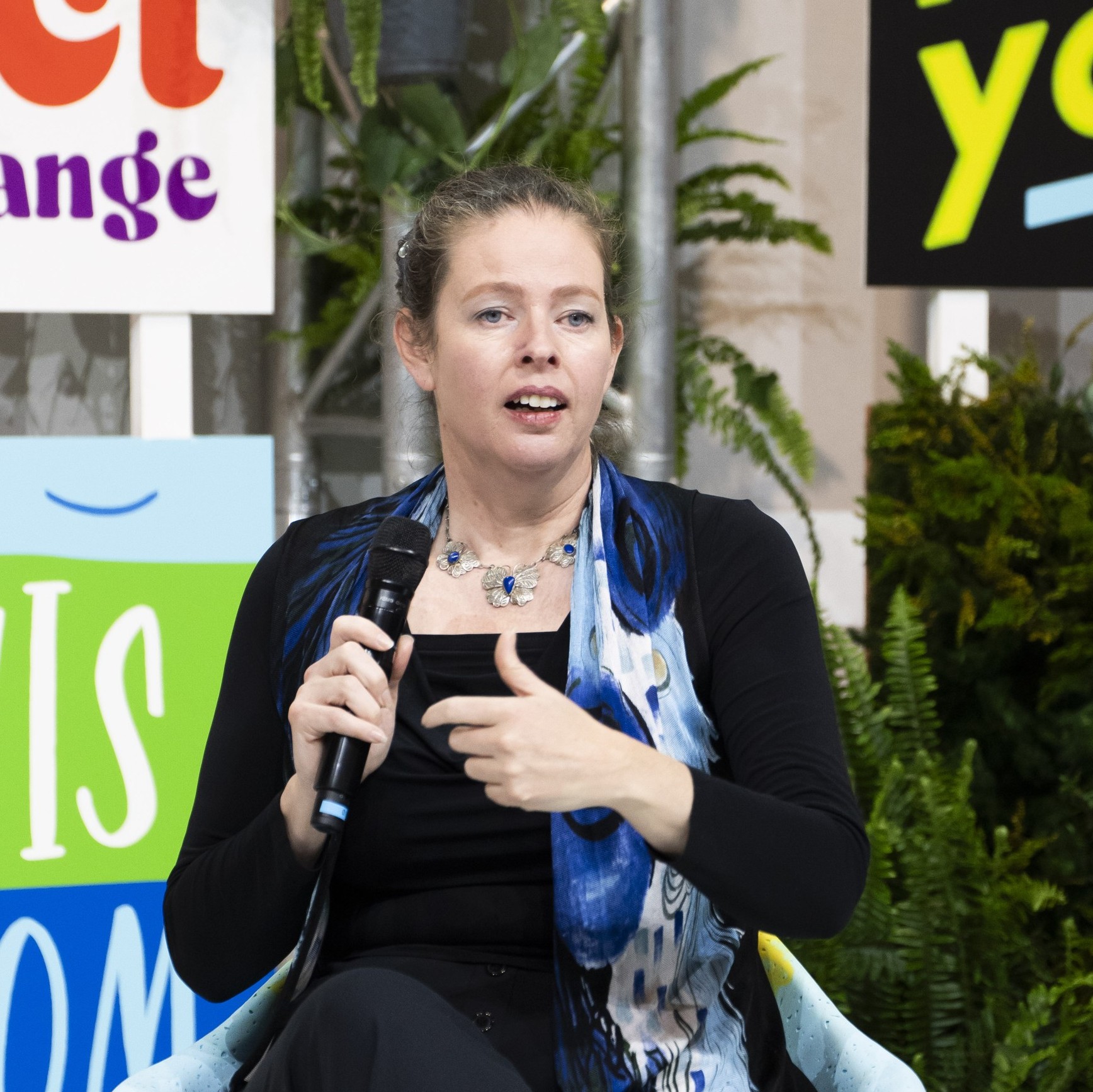
Advocacy and External Relations Director at European Alliance for Regenerative Agriculture (EARA)
Meghan is a founding farmer of the European Alliance for Regenerative Agriculture and now serves as its Director of Advocacy and External Relations. She is an accredited Master Field Professional of the Savory Institute, and co-hub leader for the Savory Network hub Hub del Norte, serving the northern Iberian Peninsula and France. She has practiced holistic management together with her husband for more than seven years on their farm, Curly Creek Ranch, one of the first EOV verified farms in Spain. She teaches farmers and land stewards as well as provides on-farm advisory and technical support to businesses for the regenerative transition. She is also a former negotiator as part of the UN Committee on Food Security and is part of many local farming and food sovereignty organisations. Meghan has spent more than 2 decades dedicated to the energy and food systems transition as a journalist, policy advocate, entrepreneur, community organiser and project developer.
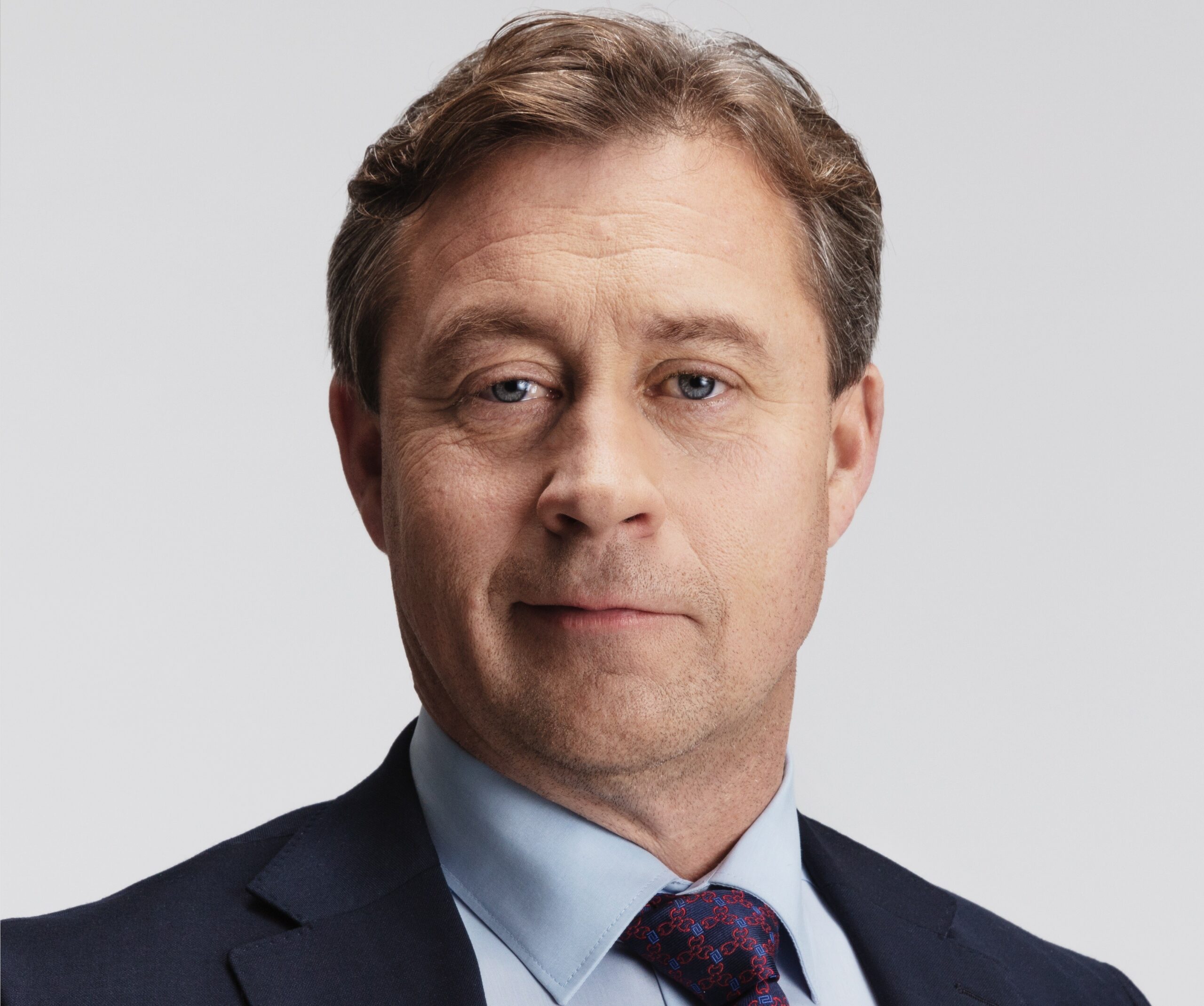
Chair of the Phytosanitary Working Party at Copa-Cogeca
Max, born 14.03.1966, grew up on his family’s farm which he took over in 1986. Stor-Tötar Gård, is an old farm that combines arable land and forestry in Southwestern Finland that has been in the family for around 400 years. Continuity that hopefully will go forward since Max is raising three boys together with his Spanish wife Marta.
Before taking over the full responsibility of running the farm and having taken a degree in agricultural economics, he became a grain trader for the Finnish Grain Board. After that Max worked in the agricultural machinery sector from 2003 until 2008. This job took him all over the world from America to China.
For the last 18 years he has been working in the Central Union of Agricultural Producers and Forest Owners (MTK) as the Senior Advisor for cereals, oilseeds, and protein crops.
Max was Chairman 2013–2019 of the Cereals Working Group in Copa-Cogeca based in Brussels. He is a member of the EU Arable Crops Market Observatory and 2018-20 Chairman of the Civil Dialogue Group, Arable Crops. From 2020 –. Owner of Farm-XPort Ltd, grain trading company for special consignments. Co-founder and member of the board of Grain Sense Ltd, the portable protein and quality analyzer for grains. Chairman of VYR the Finnish Grain Committee, 2018 – 2021. Chair of the Agri Food Chain Round Table on PPP 2020 – and Chairman of the Copa Cogeca Phytosanitary WG from 2023 -, vice chairman of the Seeds WG 2023 -, member of the EU Fertilizer Market Observatory.
Advisory board member in many, both internal Finnish and external EU projects.
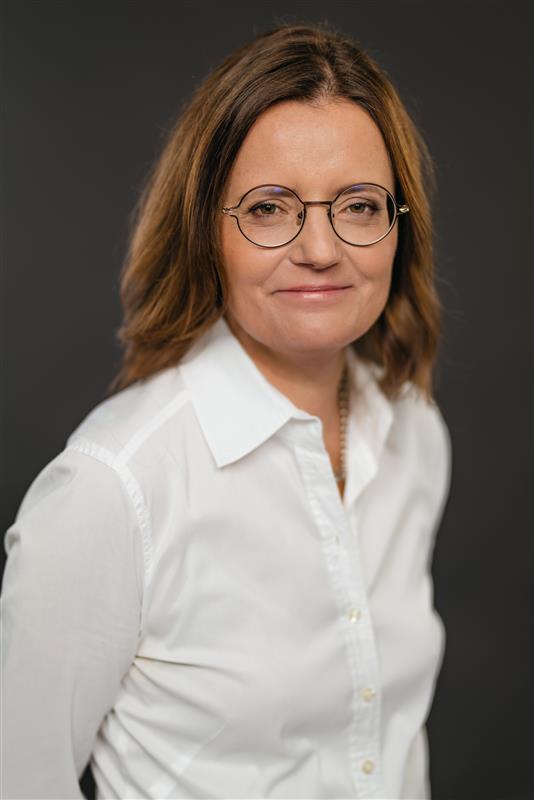
General Manager at Huber AgroSolutions in the EMEA & APAC regions
Karina von Detten is a senior executive with over 25 years of experience in the global agricultural and chemical industries. Since May 2025 she is General Manager at Huber AgroSolutions with responsibility across EMEA and APAC, based in Italy with the strong brands Biolchim, Cifo Ilsa as well as Miller. In her role she is leading multi country organizations with full P&L accountability. Her background includes strategy, portfolio and innovation management, biologicals, and sustainability. Karinahas extensive experience in M&A and post merger integration, as well as in leading large, multicultural teams in various countries amongst which Hungary, Germany and Italy. She has held senior leadership roles at Nufarm and Bayer Crop Science, including country CEO and global integration lead positions.
<
To request a place at the EBIC Summit 2026, fill in the form below and a member of the team will come back to you.