EBIC Summit 2023
“Collaboration is the solution to food security challenges.”
The EBIC Summit 2023 took place in June. Over 100 delegates, including policymakers, certification bodies, trade associations, private food companies, academics and industry experts, converged on Brussels for the inaugural EBIC Summit.
The Summit, opened by EBIC President Arne Pingel and Vice-President Carlos Rodríguez-Villa Förster, delved into three primary challenges: food security, soil health, and the circular economy, and explored the role of biostimulants in each.
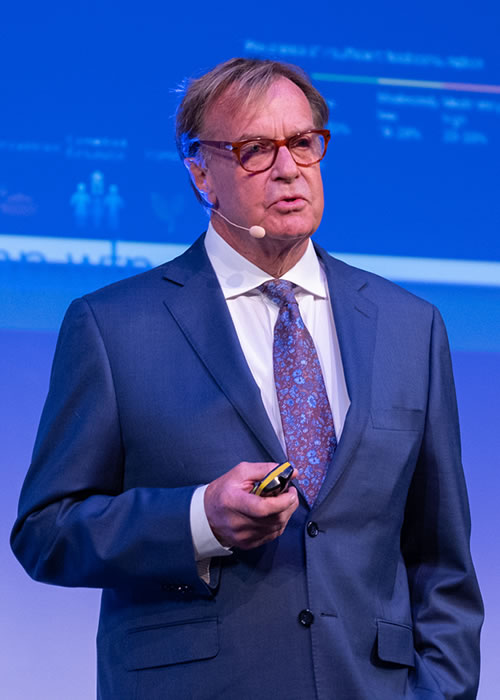
Ambassador Kip Tom, the keynote speaker, contextualised the discussions within a global framework. Reflecting on the multifaceted factors impacting food and agriculture, such as conflict, affordability, and climate, Ambassador Tom called for robust debate on food security, highlighting the importance of collaborative processes even when participants hold differing opinions.
An essential tool, biostimulants can help bridge between crisis management and long-term resilience
Addressing the panel on food security, Gijs Schilthuis emphasised that the European Union (EU) considers the supply of affordable food as its core mission. He acknowledged the need for EU policies that effectively respond to challenges posed by climate change, drought, and yield variability. Schilthuis advocated for the integration of biostimulants into ongoing policy measures, including the remuneration of farmers for their use in eco-schemes under CAP national strategic plans, as well as in Horizon Europe projects and European innovation partnerships.
Representing farmers, Pekka Pesonen highlighted the need for short-term successes that allow for investments in long-term sustainability. He stressed that EU policy development must consider farming income and competitiveness to achieve true success. He underscored the significance of plant biostimulants, which are now recognised as an essential component in the farmer’s toolbox, alongside genetics, nutrients, and plant protection products.
In the panel discussion on food security, Evelyne Dollet advocated for increased investment in addressing food security challenges. Nicolas Willaume echoed the call for greater collaboration. He emphasised the role of plant biostimulants and the need to raise awareness among farmers about their effectiveness, saying “Plant biostimulants can support soil health, especially microbial plant biostimulants that contribute to soil biodiversity. By addressing short-term imperatives through the right practices, we can foster greater resilience in the long term.”
Soils are central to food security and climate change resilience
The second session centred on soil health, a pressing concern in Brussels as the imminent publication of new legislation draws near. During the panel address, Robert Konrad highlighted the urgency of addressing soil health issues, particularly the risk of desertification in Southern, Central, and Eastern Europe due to climate change. Konrad raised concerns about declining organic carbon stocks, pollution, and land degradation affecting European soils.
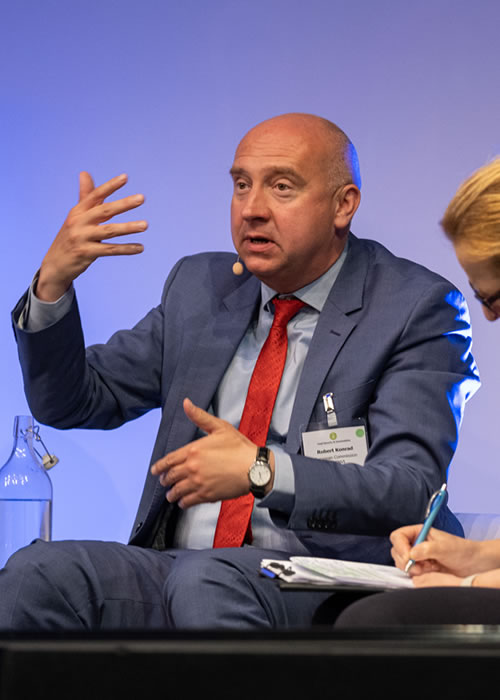
The new soil strategy aligns with other EU policies and action plans, with Konrad outlining three major axes of EU policy work on soil: promoting healthy soils as a solution for the biodiversity crisis, leveraging healthy soils for the circular economy and pollution control, and recognising healthy soils as a means to combat and adapt to climate change. The Summit highlighted the strong connection between biostimulants and soil improvements, emphasising the need for increased awareness among farmers regarding the benefits of tools like plant biostimulants.
Marcin Dzikowski, Global Biology Leader for Biologicals at Corteva and an EBIC member, remarked that “taking care of short-term imperatives can contribute to greater soil health and resilience in the long term if the right practices are employed. Plant biostimulants are part of the toolbox that can help farmers bridge this gap.”
Collaborative, real-time innovation is critical to sustainable agriculture and the bioeconomy
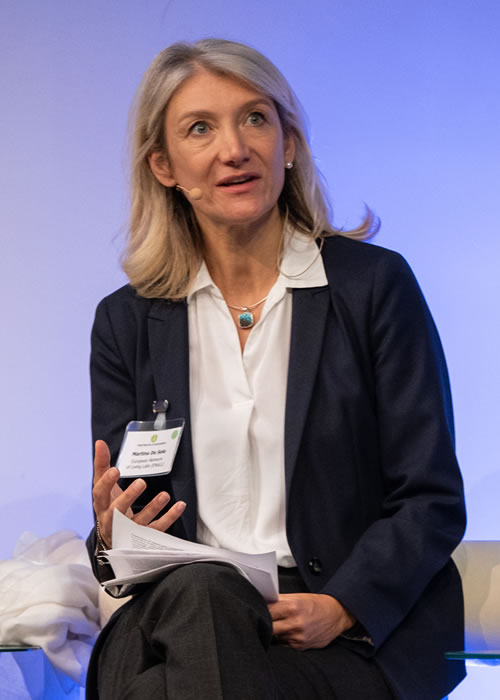
Regarding the most crucial elements for achieving healthy soils, Kerstin Rosenow expressed her intention to establish living labs and scale up their outcomes. Martina De Sole highlighted the need for on-the-ground co-creation to achieve success. Konrad concluded the session by summarising the Commission’s approach to soil health, highlighting the necessity of greening the Common Agricultural Policy as a prerequisite for systemic change.
The final session explored the circular economy in agriculture and examined the transition from aspiration to reality. Led by Nicoló Giacomuzzi-Moore, the session outlined the objectives of the Joint Undertaking and its contribution to the European Green Deal. By accelerating innovation and facilitating the development and market deployment of bio-based solutions, the Joint Undertaking aims to ensure high environmental performance. Giacomuzzi-Moore presented ongoing projects, including the valorisation of municipal solid waste and sewage sludge into high-value products such as fertilisers.
During the panel discussion, Paolo Campanella stressed the importance of predictability for companies innovating in the circular economy. He focused on the need for consistent regulatory frameworks and sustained market demand, particularly because circular, bio-based products rely on secondary raw materials of variable quality.
Regulation of circular products remains a persistent challenge for the biostimulants industry, as outdated rules hinder the use of safe secondary raw materials, such as hydrolysed proteins and insect frass, in EU fertilizing products that aim to access the European Single Market.
The circular economy requires mindset shifts as well as technical innovation
Alice Toderi highlighted not only the regulatory challenges but also the psychological barriers associated with the use of secondary raw materials in plant biostimulants. Toderi acknowledged the need for communication and perception changes, as some individuals question the content of these materials despite their rich resources and rigorous processing ensuring safety. She stated that a shift in mindset is necessary to enable wider acceptance of the reuse of animal by-products on a larger scale.
When asked about the driving force behind this change, Giacomuzzi-Moore stressed that consumers are the ultimate drivers. Consequently, downstream clients, such as food companies, play a crucial role in translating consumer demands into concrete requirements for circular raw materials or bio-based agricultural produce, including the use of biostimulants. Toderi concurred, highlighting the importance of traceability, safety, and nutrition for consumer acceptance, which can only be achieved through collaborative efforts among all stakeholders.
The Summit’s closing session featured an interactive fireside chat with a group of CEOs from the plant biostimulants industry, joined by Ambassador Tom. The discussants and the audience shared valuable insights and takeaways during a large-group sense-making session.
In his closing remarks, EBIC President Arne Pingel underscored the renewed interest in collaboration among food chain actors and the need for innovation, investment, and incentives to drive the transition toward a more sustainable food system.